AI Creation Studio
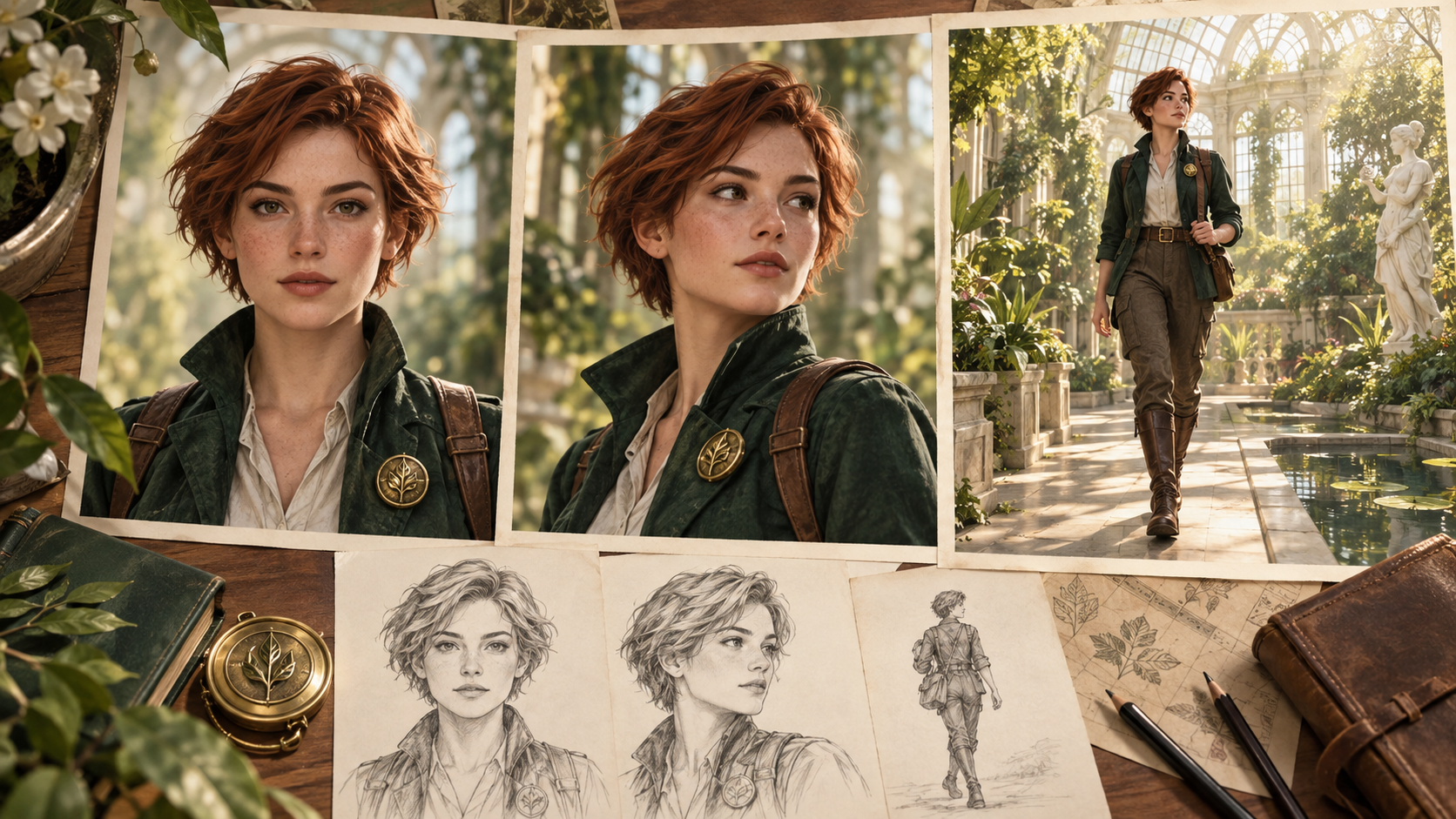
How to Turn an OC Into AI Video Without Losing Their Identity
Preserve your original character's face, clothing, and personality across multiple AI-generated shots with structured design and continuity tracking.
Read post
Simple guides, updates, and examples for AI video, AI image, and AI audio creation — all in one studio.
Preserve your original character's face, clothing, and personality across multiple AI-generated shots with structured design and continuity tracking.
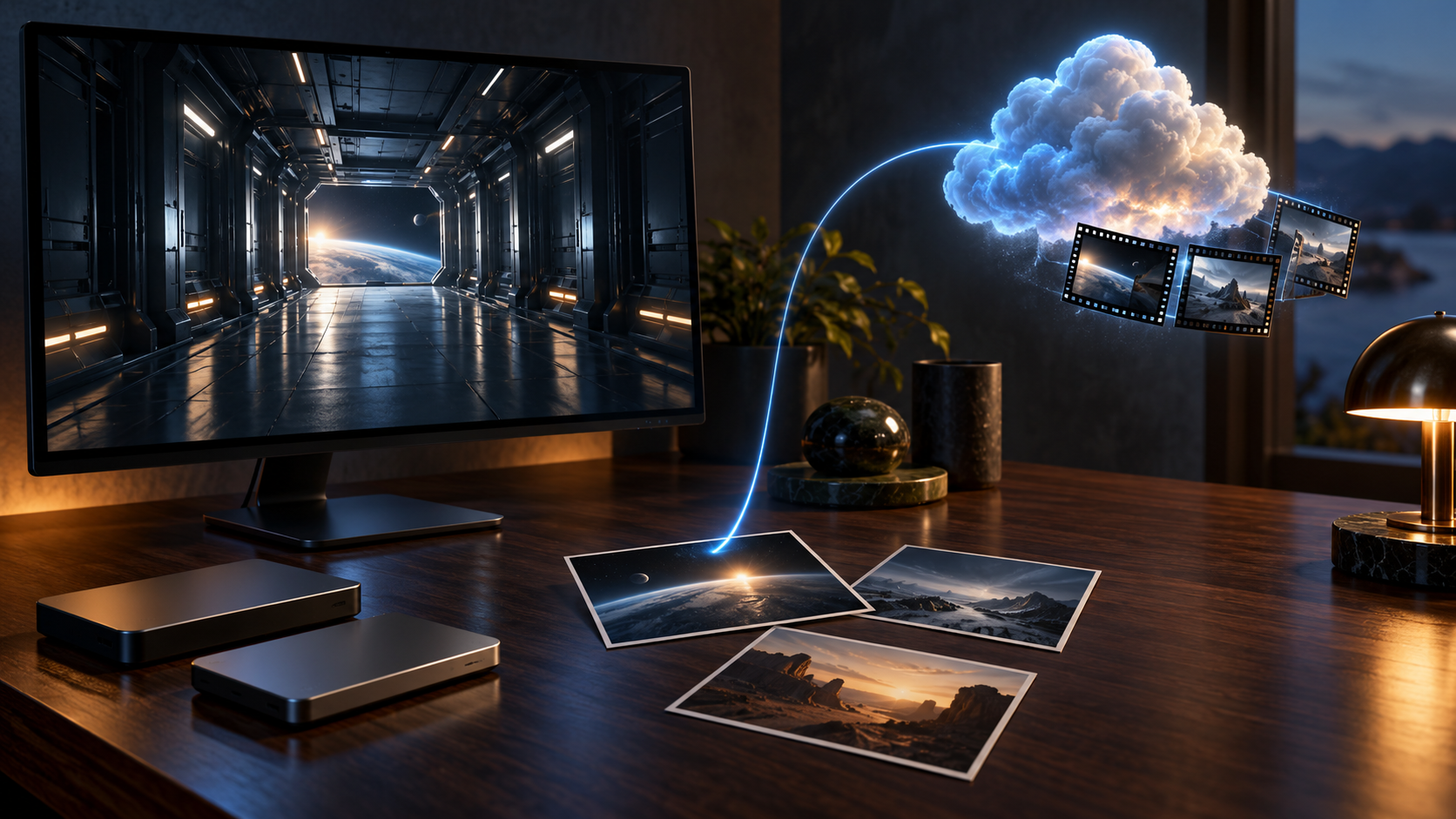
Understand the boundary between local project management and cloud generation, plus practical controls for keys, data, backups, and privacy.
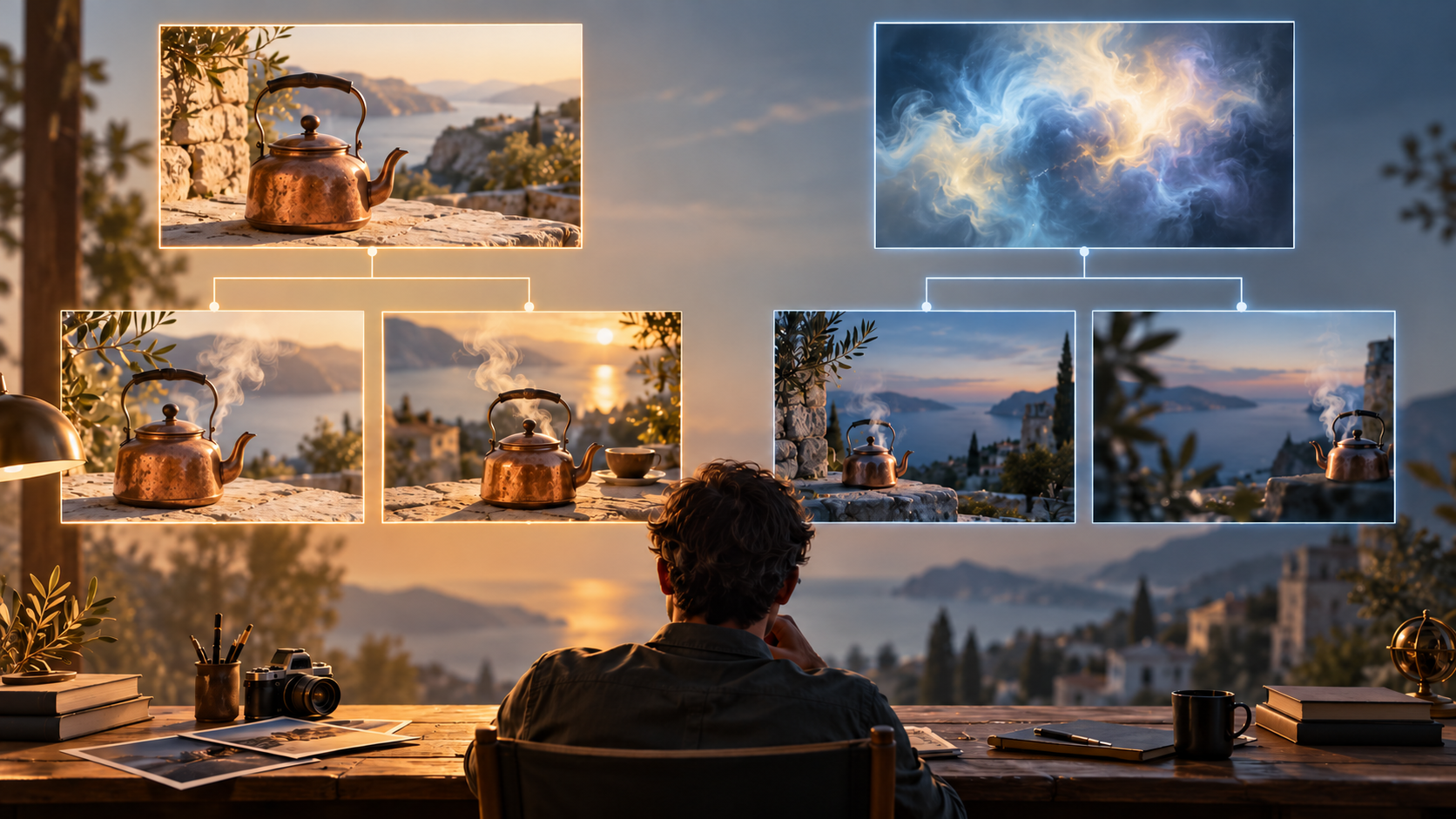
Understand when to start from a reference frame and when to generate from a prompt, based on identity needs, composition control, and storytelling goals.
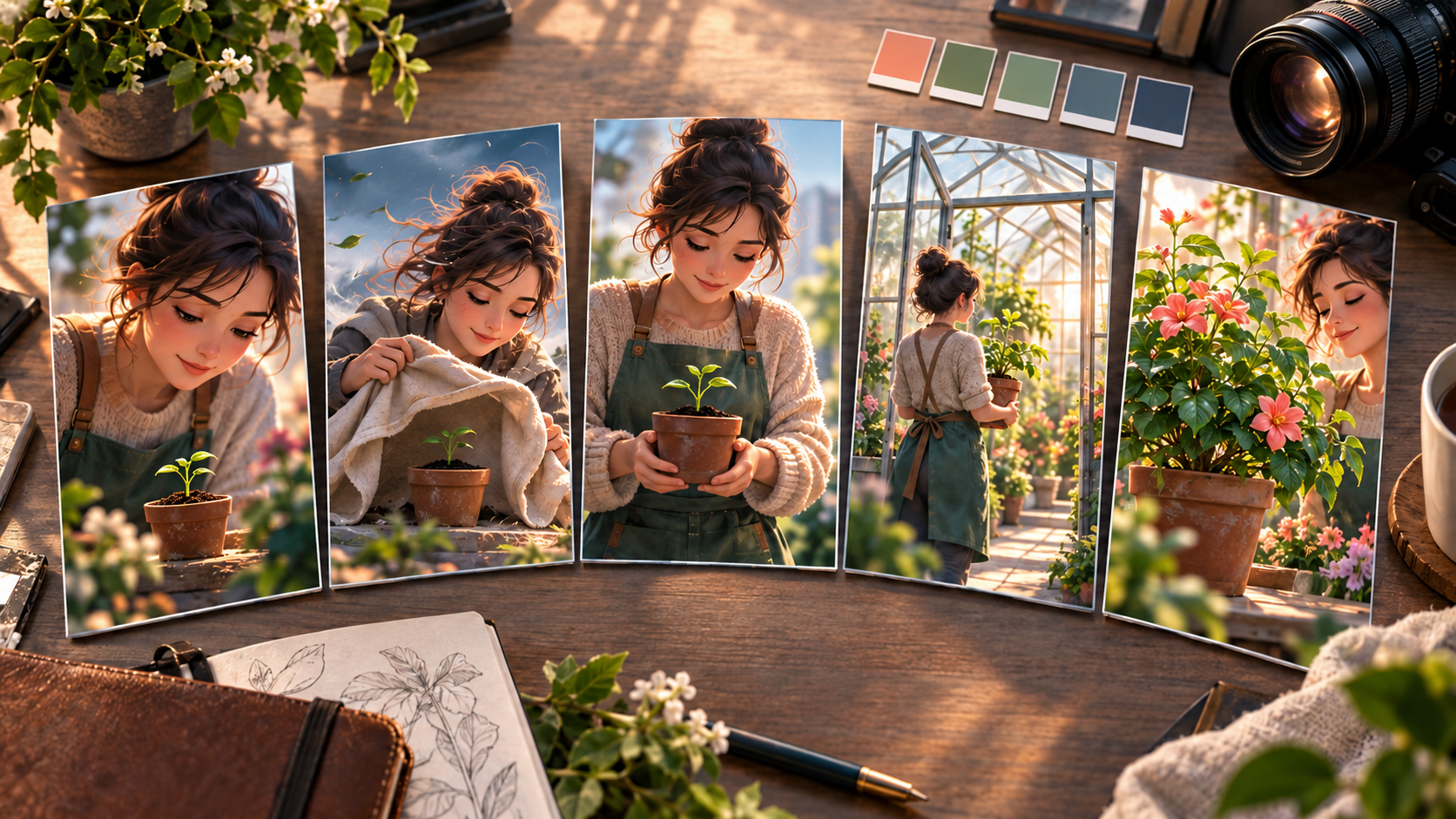
Plan mobile-first 9:16 AI videos with clear hooks, central composition, motivated cuts, and efficient shot generation.
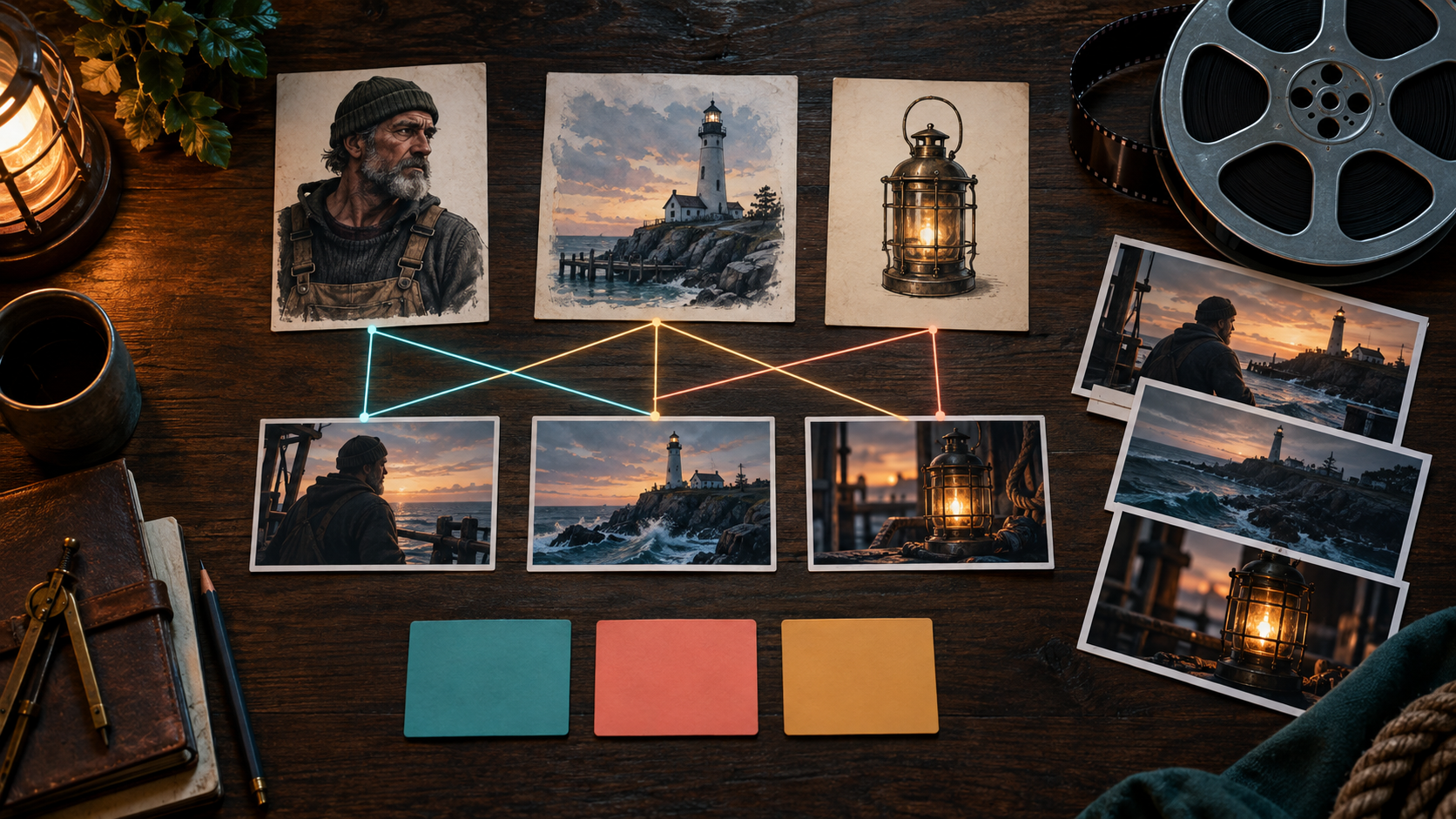
Discover how AI agents can coordinate character references, shot lists, and generation tasks while preserving human creative control.
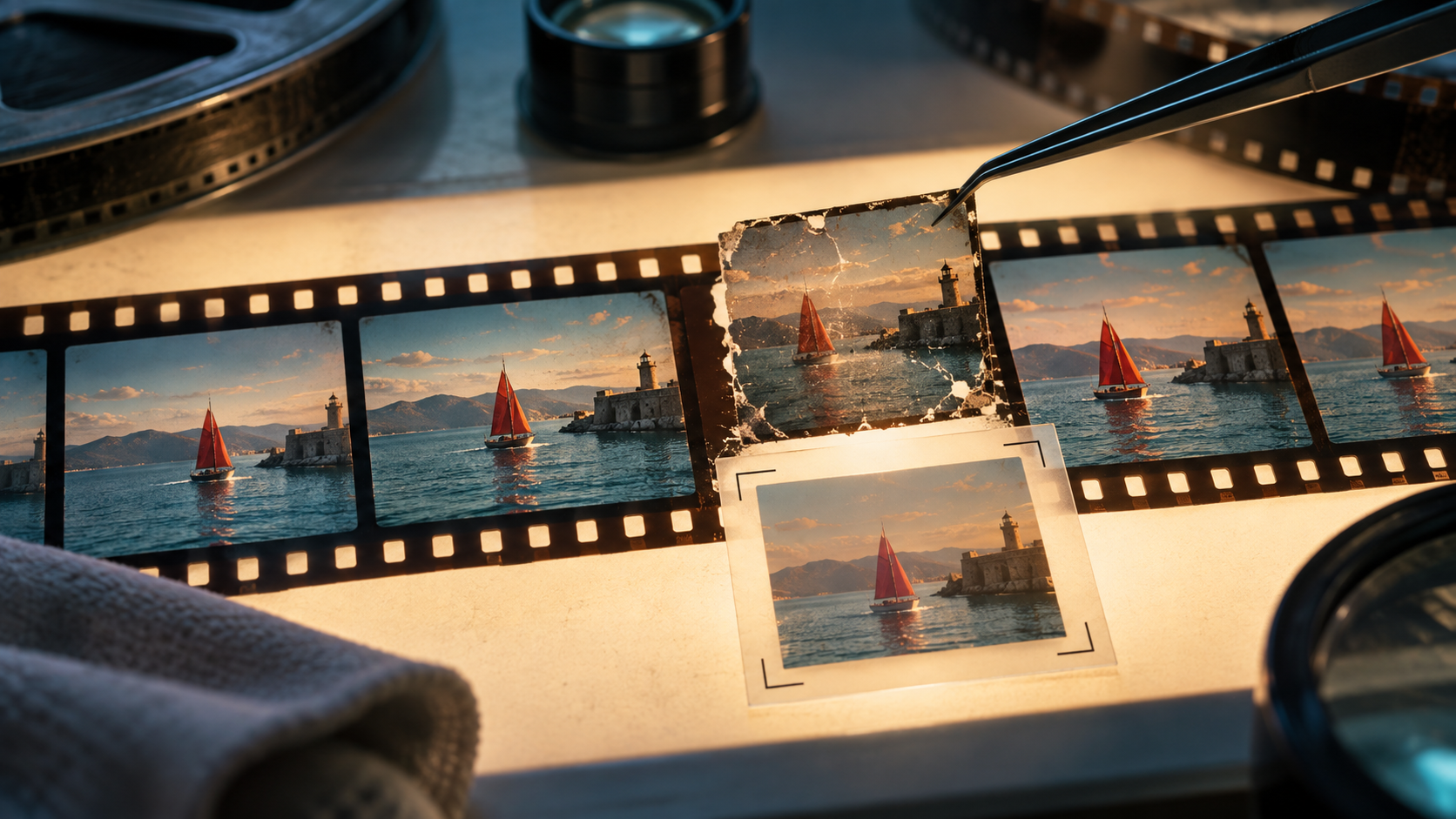
Learn to diagnose, isolate, and meticulously repair flaws in AI-generated video, preserving usable footage and avoiding costly, time-consuming full scene regenerations.
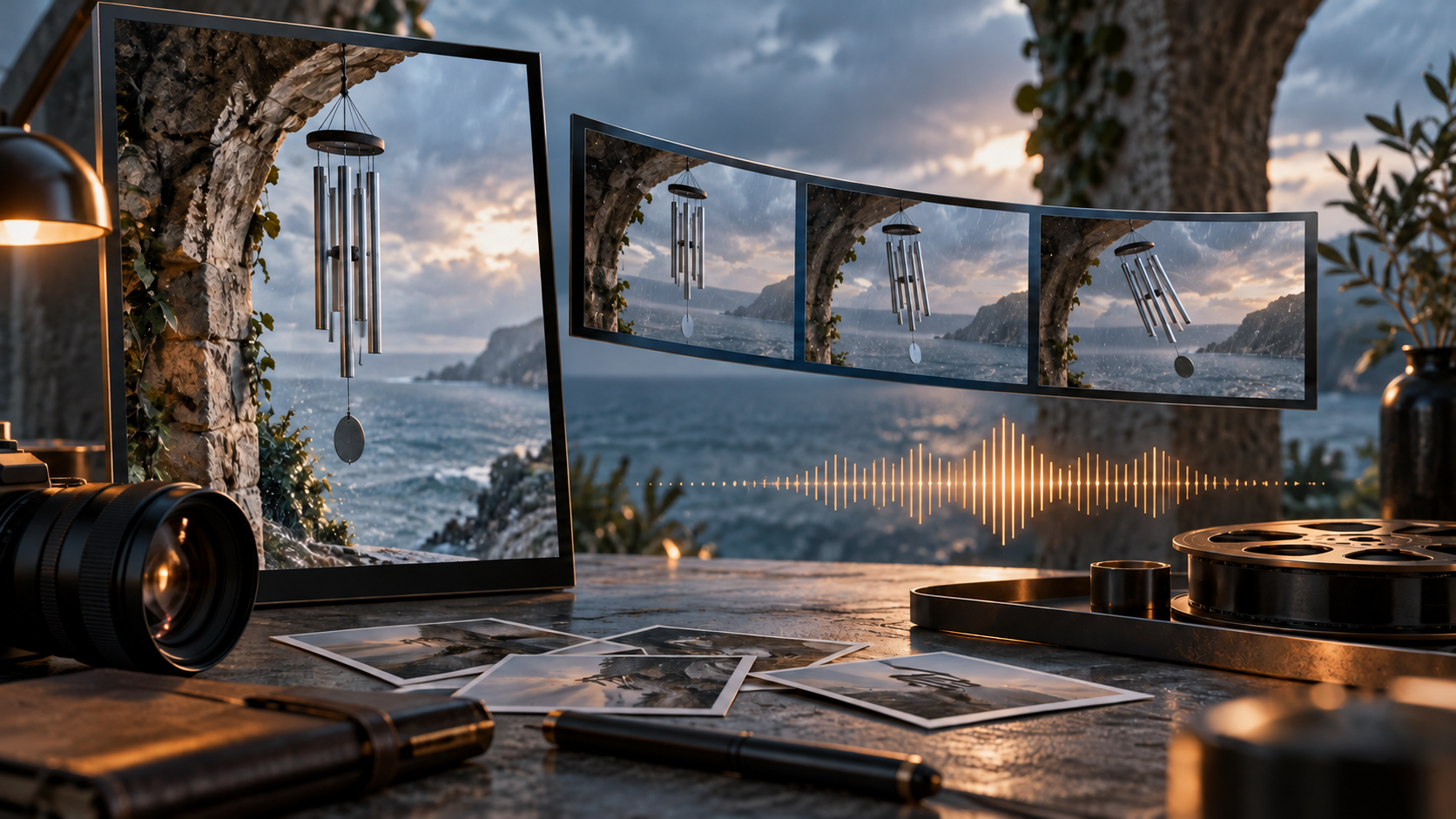
How Grok Imagine creates short clips from text, images, and references—plus the limits you need to know before building a film.
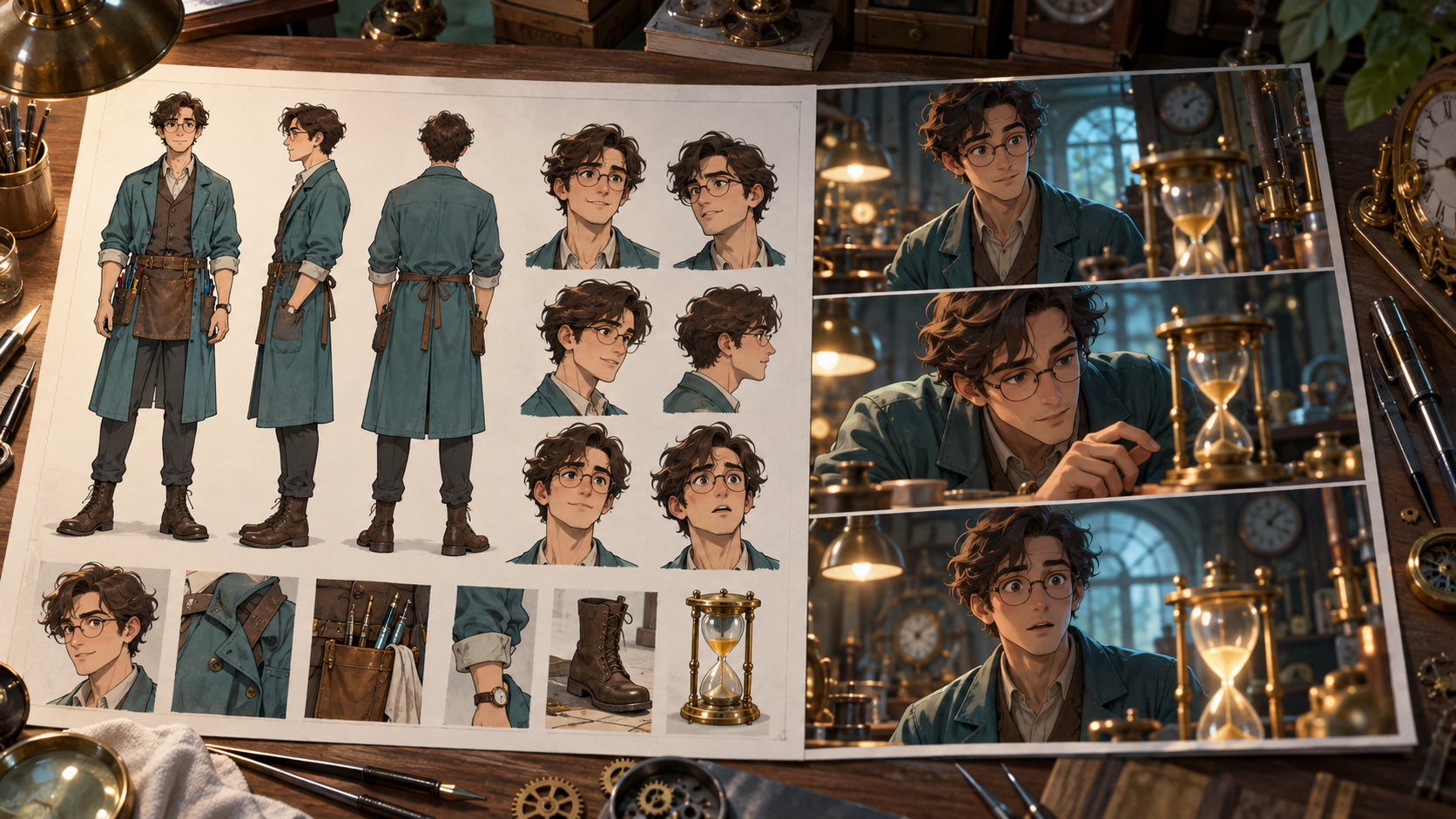
Turn original character designs into consistent animated clips by preparing clean references, planning coverage, and calibrating motion tests.
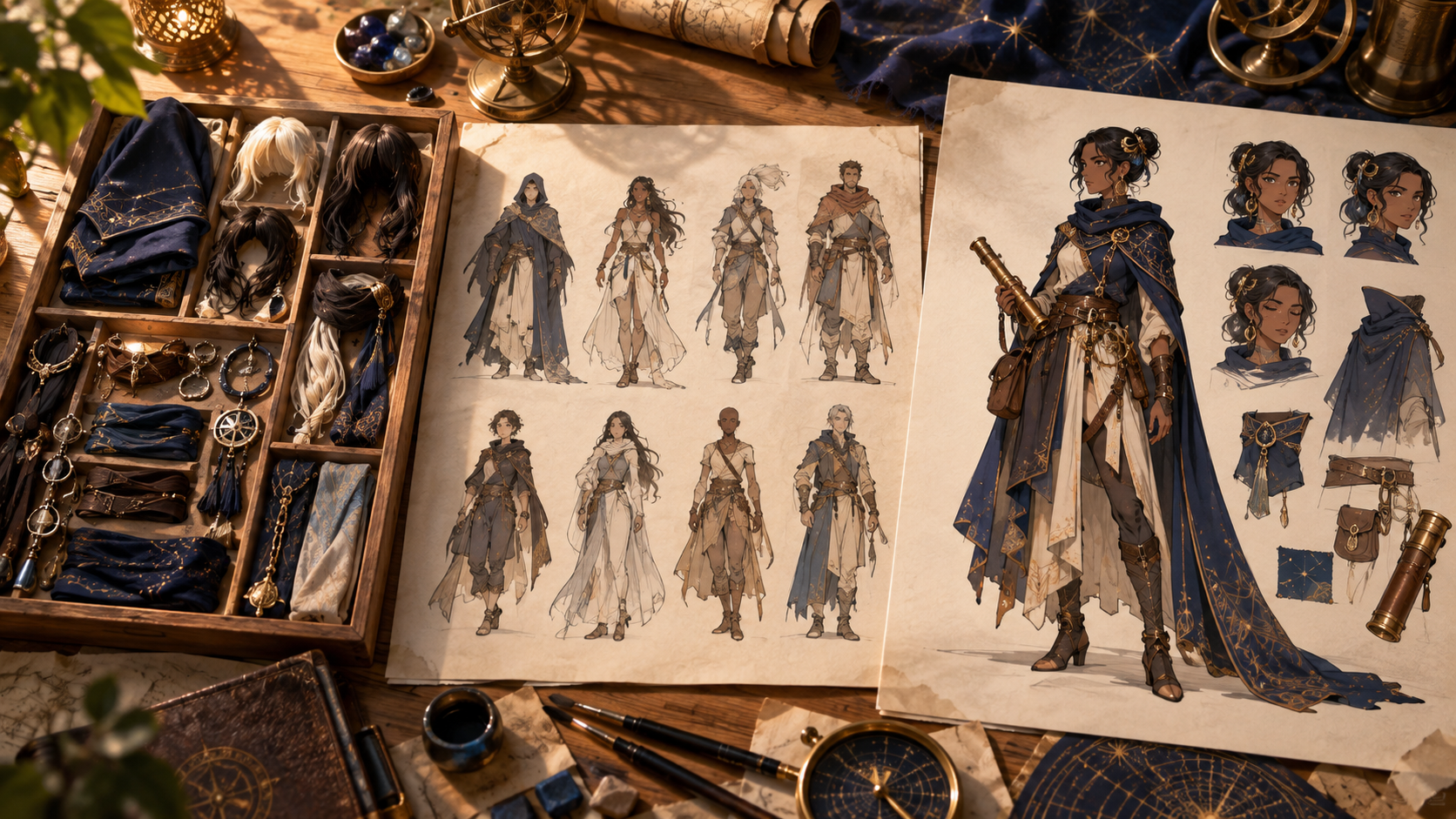
Learn how these overlapping workflows differ and when to use guided presets, randomized seeds, or direct control for original characters.
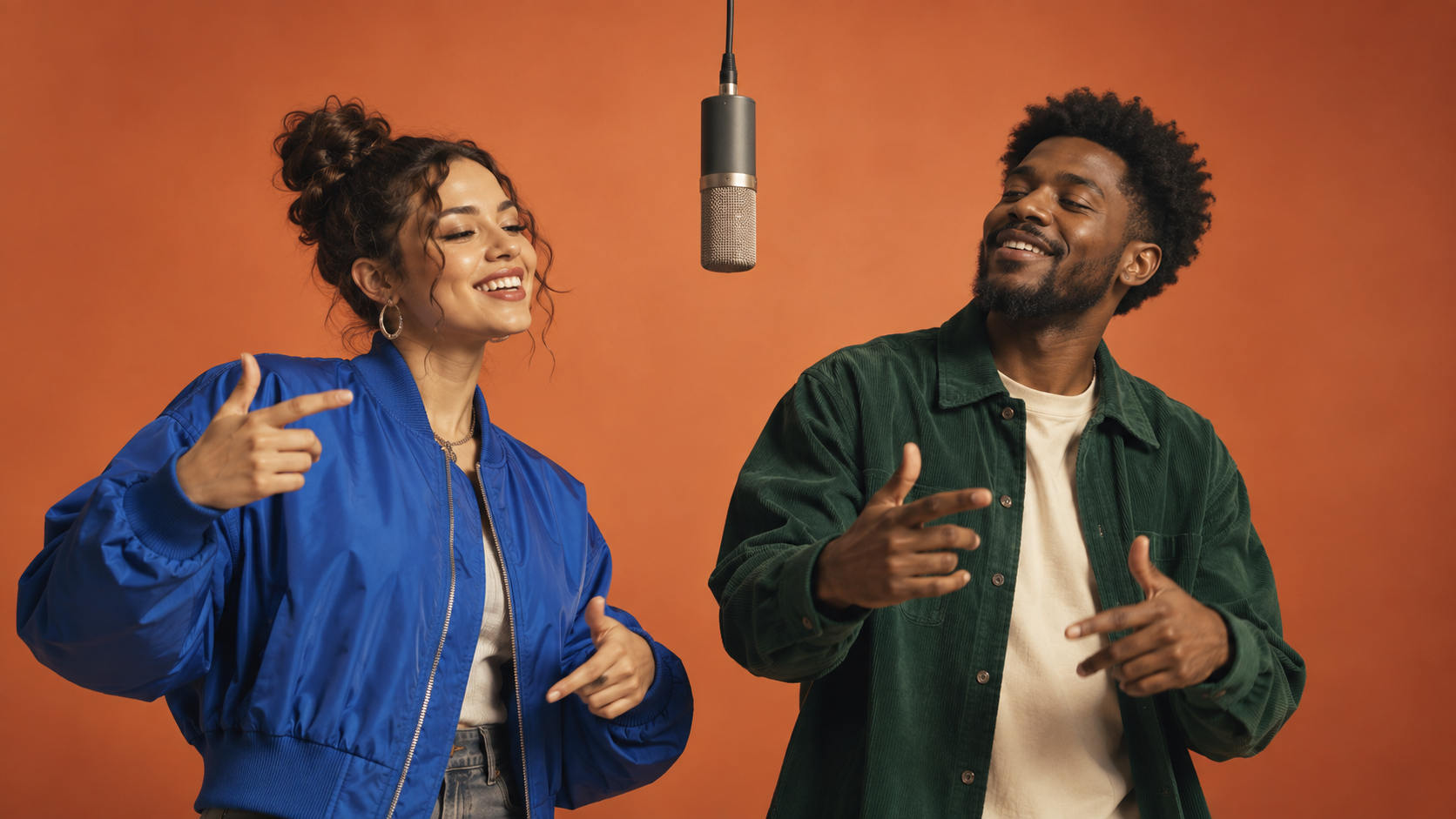
A practical tutorial for creating two-performer AI remix videos, with workflow, review, and consent reminders.
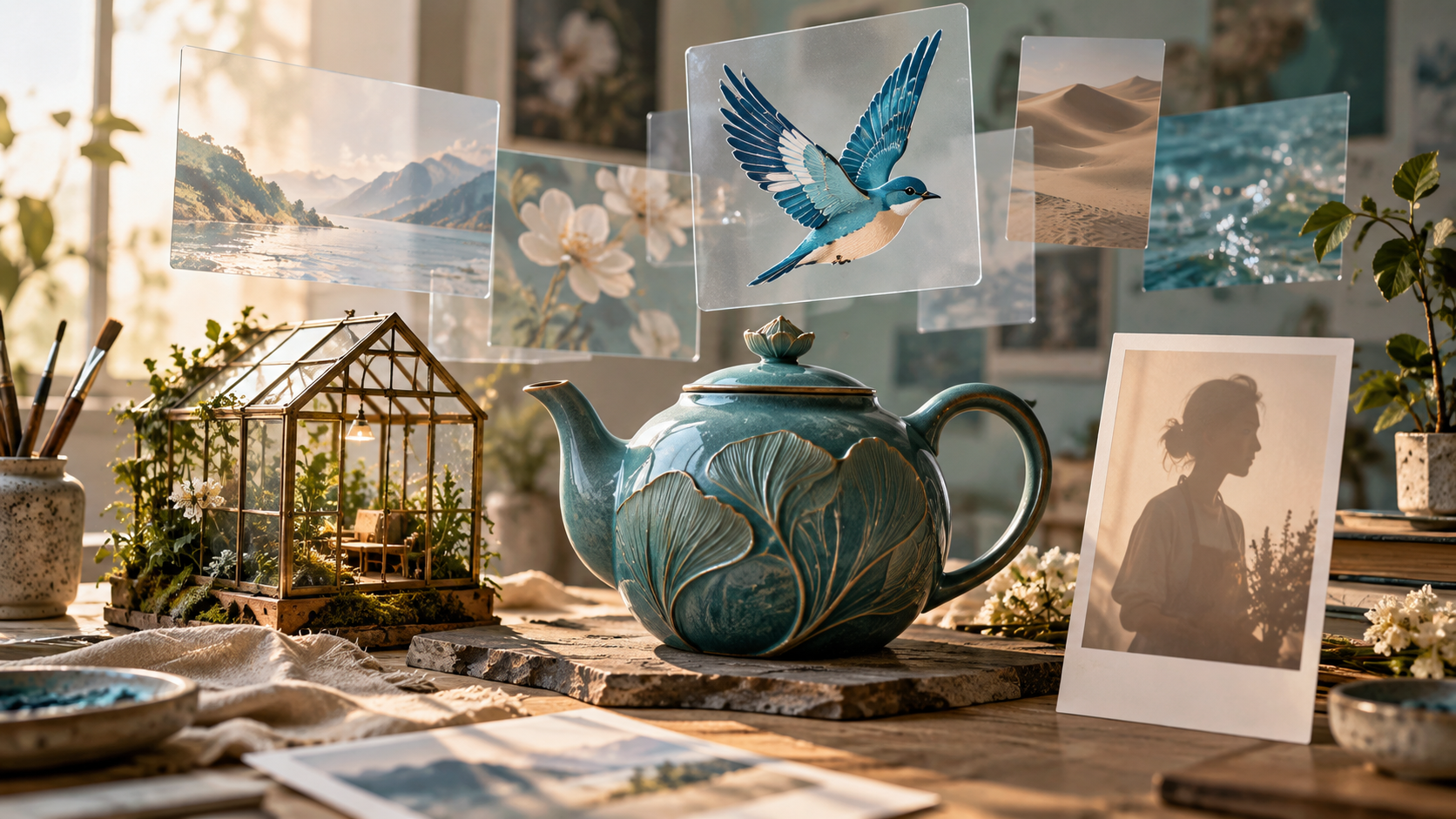
Unlock creative control with twelve original Qwen Image 2.1 prompts, covering realistic generation, precise editing, and detailed design, alongside practical review techniques.

A comprehensive, independent analysis of xAI's Grok 4.7 model—covering architecture, reasoning improvements, benchmark results, pricing, and practical evaluation methods.
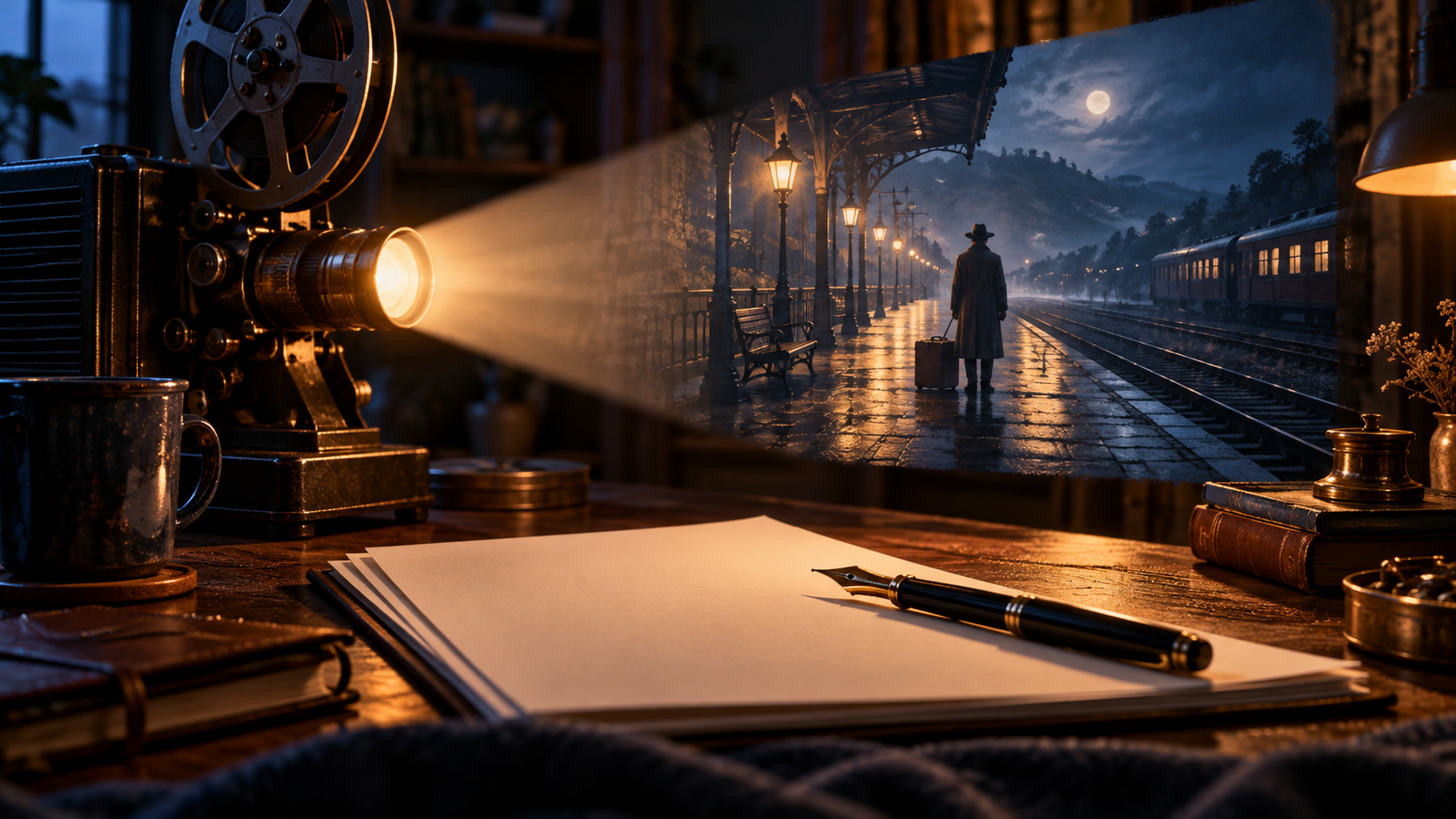
A practical guide for writers to translate manuscript scenes into visual cuts for early story testing and revision.
A practical guide to estimating expenses for AI-assisted short films, covering generated footage, visual assets, sound, editing, and human effort in 2026.
Develop a structured shot list to guide AI video generation, ensuring narrative clarity and production efficiency for your projects.
Authors can evaluate AI video tools by testing narrative consistency, character control, shot direction, and editing capabilities to align with their creative vision.
Producing a feature-length film with AI-generated content requires careful planning, continuity management, and staged testing. Learn how to greenlight your long-form project.

Transforming narrative prose into compelling visual stories requires careful planning and testing. Learn how to adapt a pivotal scene to assess its cinematic potential.

Craft a compelling motion-comic pilot with clear story beats, distinctive visuals, effective sound design, and a narrative hook designed for serial continuation.
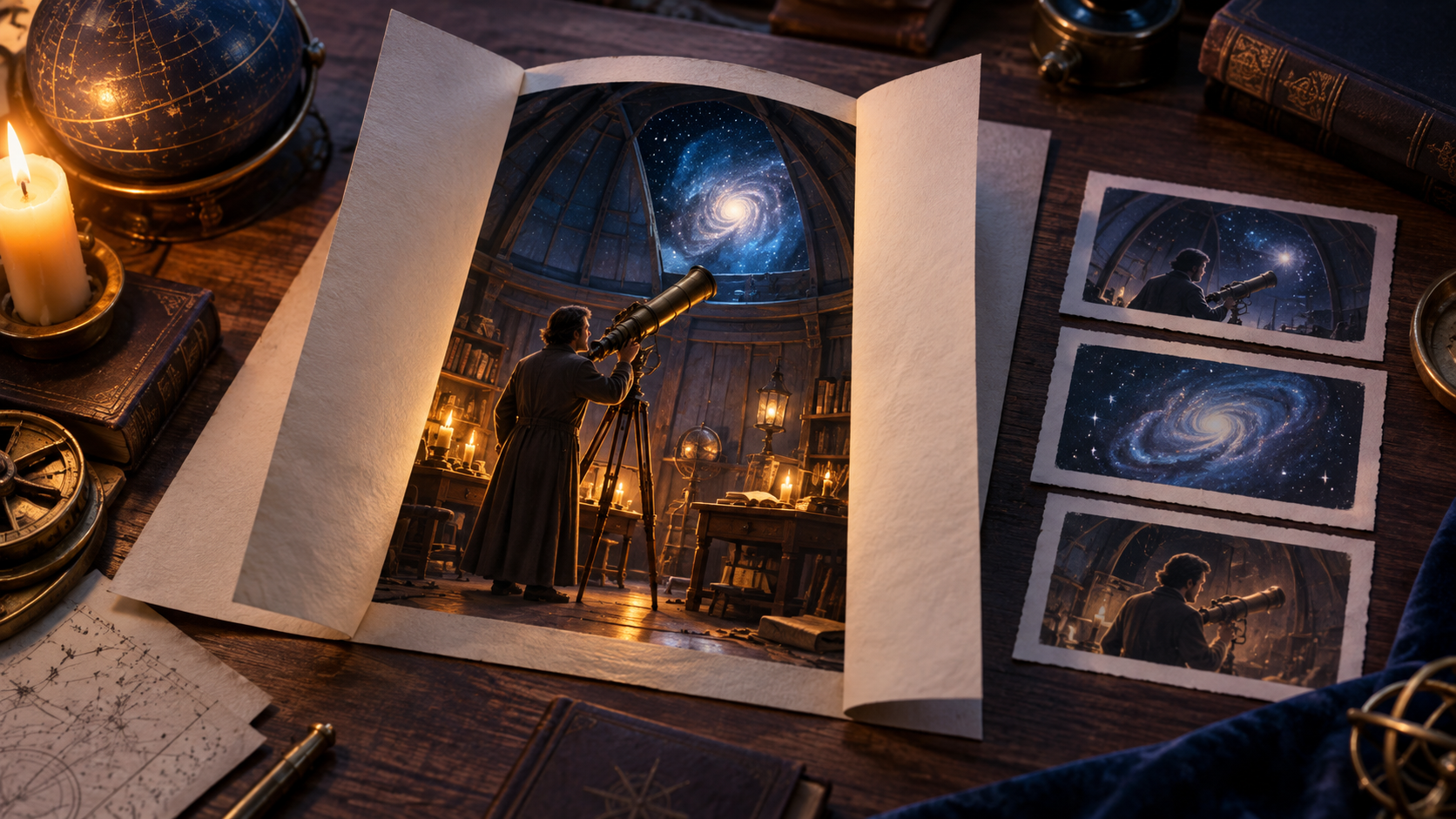
Transform a prose chapter into a compelling 45-second video scene by adapting narrative beats into visual actions and managing continuity.
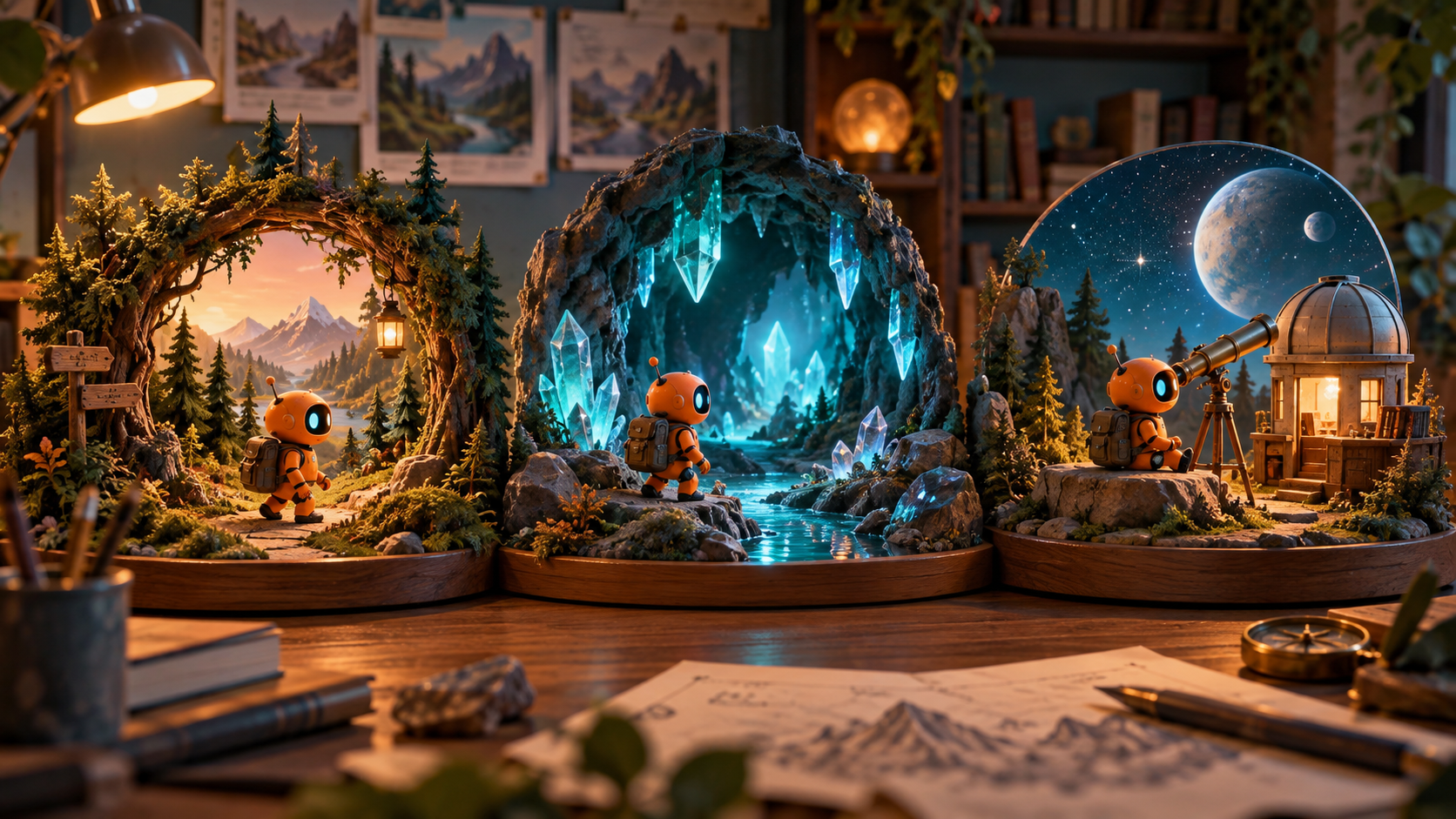
Learn to plan, produce, and iterate on an animated series by defining recurring elements, building a consistent visual bible, and managing your creative workflow effectively.
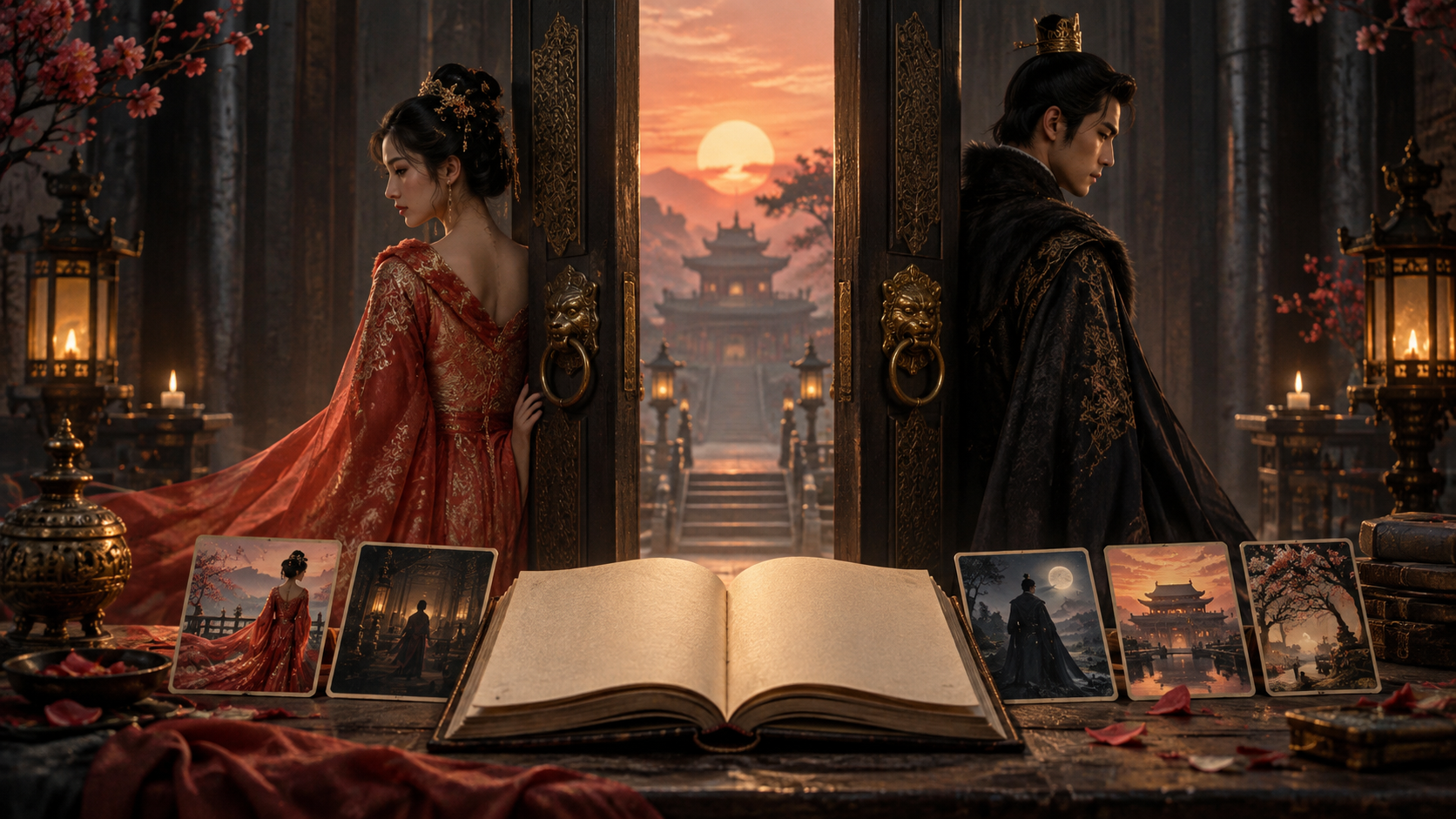
Crafting engaging short-form video episodes from web novels, focusing on mobile viewing and narrative continuity.
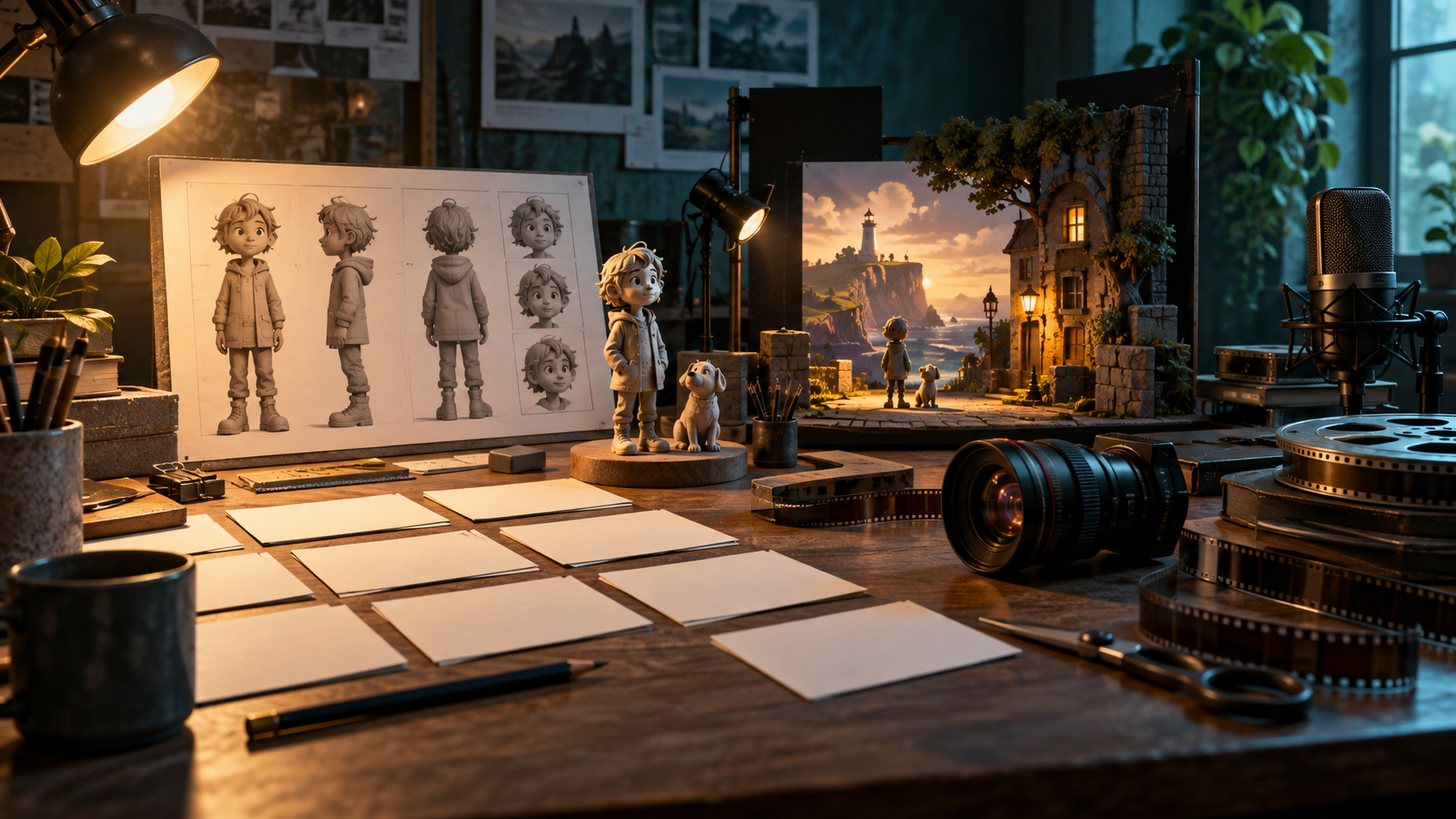
A practical guide to planning, reviewing, and editing a coherent story adaptation with AI-generated video.
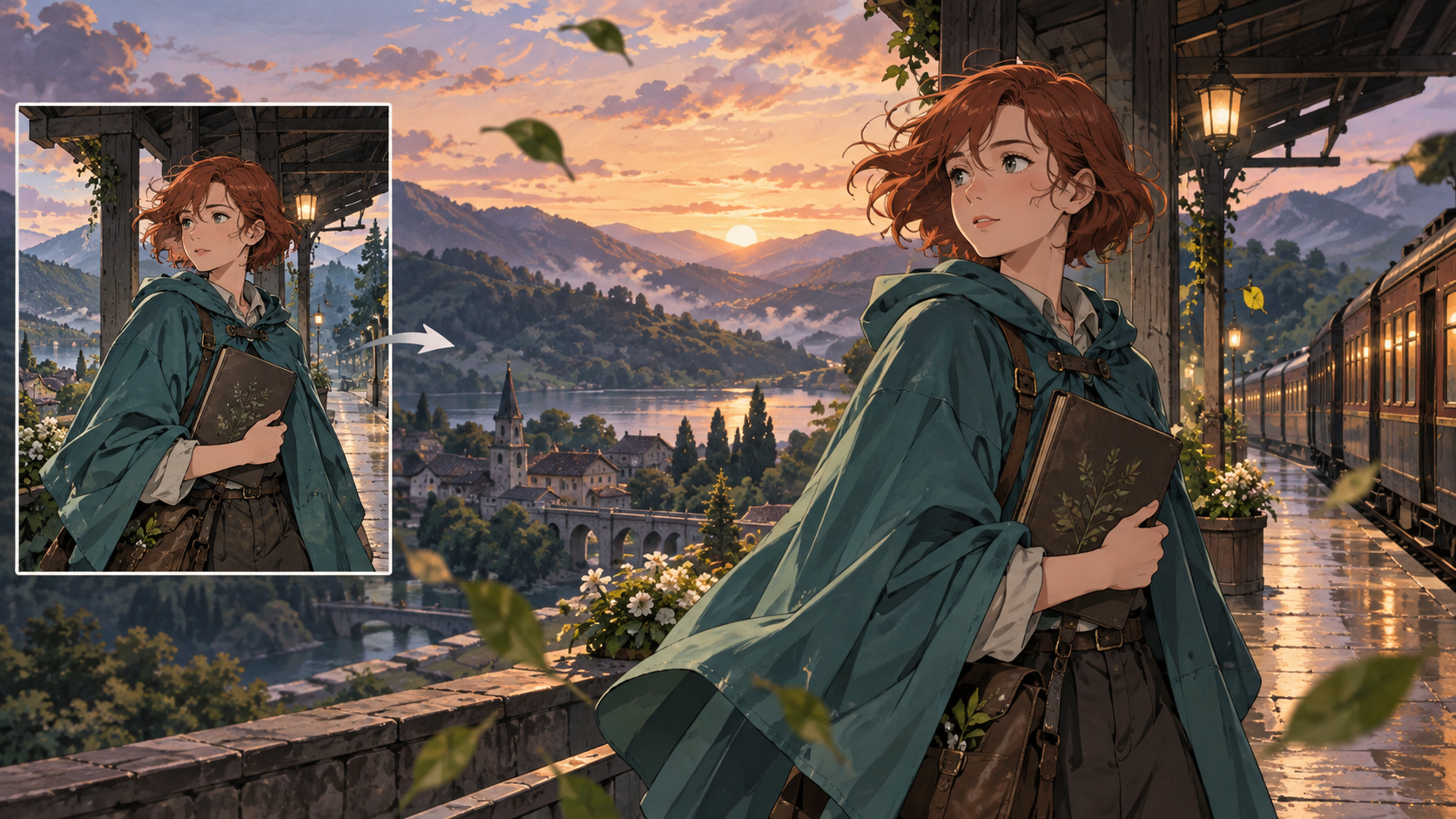
Transforming a static image into a compelling animated sequence requires careful planning of motion, character consistency, and narrative flow.