Visão Geral
Por que escolher o SDXL
O SDXL no VideoAny oferece LoRAs e controles de estilo para diferentes fluxos visuais. A aceitação, a resolução e o resultado variam conforme a configuração e as regras aplicáveis.
O SDXL no VideoAny utiliza o modelo avançado da Stability AI, oferecendo uma vasta biblioteca LoRA para diversas necessidades criativas. Ele opera sem censura na infraestrutura de GPU proprietária do VideoAny, tornando-o nossa opção premium mais econômica para gerar tipos de corpo e estilos artísticos específicos.
Ao contrário de outros modelos no VideoAny, o SDXL é executado diretamente em nossa própria infraestrutura de GPU, ignorando APIs de terceiros. Esse controle direto permite o gerenciamento abrangente da biblioteca LoRA e de todo o pipeline de inferência. Nossa coleção LoRA para SDXL é a mais extensa na plataforma, abrangendo vários tipos de corpo, estilos artísticos e modelos de personagens, todos projetados para empilhamento contínuo.
Nossa implantação incorpora duas camadas personalizadas essenciais. O pipeline de destilação DMD2 de 4 etapas acelera significativamente a geração, alcançando velocidades comparáveis às 30-50 etapas do SDXL padrão em GPUs locais. Além disso, o pipeline base-para-refinador aprimora a nitidez da saída além do que as implantações de estágio único do SDXL podem oferecer. Os usuários podem combinar até três LoRAs por geração, cada uma com forças ajustáveis que variam de 0,5 a 3,0.
Principais considerações
- Para prompts complexos e com múltiplos elementos, a arquitetura SDXL de 2023 é menos eficaz do que modelos mais recentes como Flux, Qwen ou Seedream. Opte por Seedream 5 ou WAN 2.7 Pro para composições complexas.
- Alcançar uma anatomia precisa com alta intensidade de LoRA pode ser desafiador. Embora o empilhamento de LoRA ofereça personalização, ele pode introduzir erros anatômicos (por exemplo, dedos extras, membros distorcidos). Para a geração de corpos sem restrições e sem modificações de LoRA, o Flux Klein foi projetado especificamente para a precisão anatômica.
- A dependência do SDXL na frota interna de GPUs do VideoAny significa que o desempenho pode flutuar com a saúde do servidor. Para projetos críticos, o Seedream 5 ou o WAN 2.7, que utilizam APIs gerenciadas, oferecem maior confiabilidade.
- Acesse o SDXL através do gerador de texto para imagem, do editor de imagens ou da ferramenta de troca de rosto.
Use isso como um ponto de verificação prático compare as saídas com o mesmo prompt antes de escalar o fluxo de trabalho.
Ajuste do modelo
SDXL em ação
Esta comparação ajuda a determinar quando o SDXL é a escolha ideal para o seu fluxo de trabalho criativo e quando modelos alternativos podem ser mais adequados.
| Área de decisão | Por que é importante | Sinal prático | Ação do VideoAny |
|---|---|---|---|
| Por que escolher o SDXL | Lição principal do guia de origem | SDXL no VideoAny — modelo da Stability AI com uma ampla biblioteca de LoRAs e controles de estilo; disponibilidade e regras variam conforme o fluxo. | Use-o quando essa compensação for importante em produção. |
| O que é SDXL? | Lição principal do guia de origem | SDXL é o único modelo no VideoAny que roda em nossa própria infraestrutura de GPU, e não através de uma API de terceiros. Essa escolha estrutural confere à plataforma controle total | Use-o quando essa compensação for relevante em produção. |
| Veja o SDXL em ação | Lição principal do guia de origem | Duas camadas personalizadas moldam a implantação. O pipeline de destilação de 4 etapas do DMD2 torna a geração rápida, apesar de rodar em GPUs locais (em vez de 30-50 etapas | Use-o quando essa compensação for relevante em produção. |
| SDXL vs. outros modelos VideoAny | Lição principal do guia de origem | No VideoAny, o SDXL está disponível em Texto para Imagem, no Editor de Imagens e na Troca de Rostos. Enquadramento honesto: a arquitetura subjacente é da era de 2023 e não é notavelmente | Use-o quando essa compensação for relevante em produção. |
Os melhores resultados vêm de testar uma tarefa visual por vez, em vez de misturar múltiplos objetivos em um único prompt.
Fluxo de Trabalho
Compreendendo o SDXL
Um guia passo a passo para aplicar as recomendações da fonte para uma saída consistente no VideoAny.
No VideoAny, o SDXL está integrado em nossas ferramentas de Texto para Imagem, Editor de Imagens e Troca de Rosto. É importante notar que sua arquitetura subjacente, datada de 2023, tem um desempenho inferior a modelos mais recentes como Flux, Qwen ou Seedream ao lidar com prompts complexos de múltiplos elementos. Embora o empilhamento de LoRA ofereça flexibilidade significativa, ele pode levar a imprecisões anatômicas, como dedos extras, membros distorcidos ou assimetria, especialmente quando as forças de LoRA excedem 1.5–2.0. A qualidade da saída também pode ser afetada pela saúde da nossa frota ComfyUI; servidores degradados podem fazer com que o SDXL desacelere ou falhe. Embora a interface possa exibir "1K" no cartão do modelo, este é um erro de rotulagem conhecido; a resolução de saída real pode atingir dinamicamente até 4K.
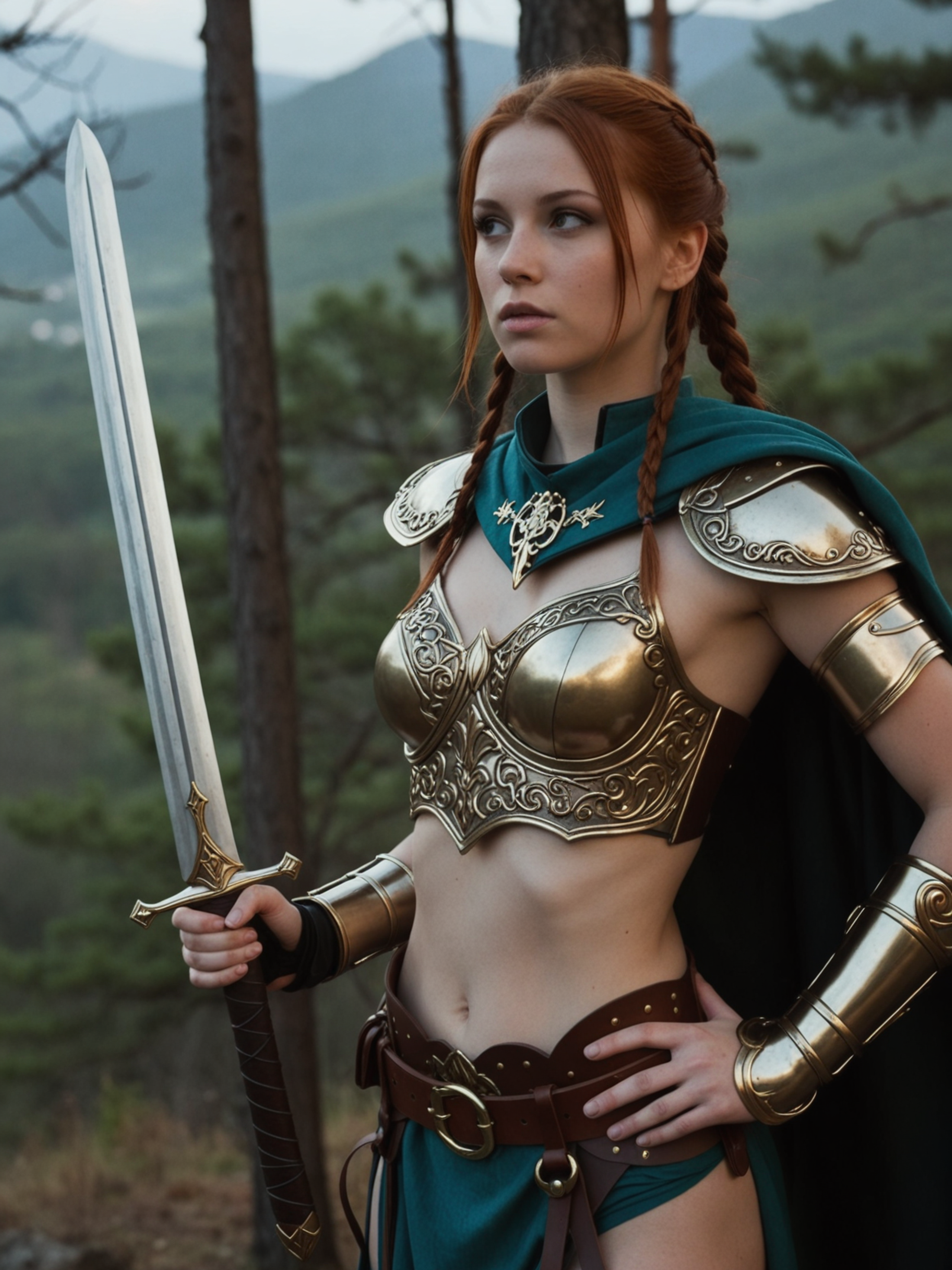
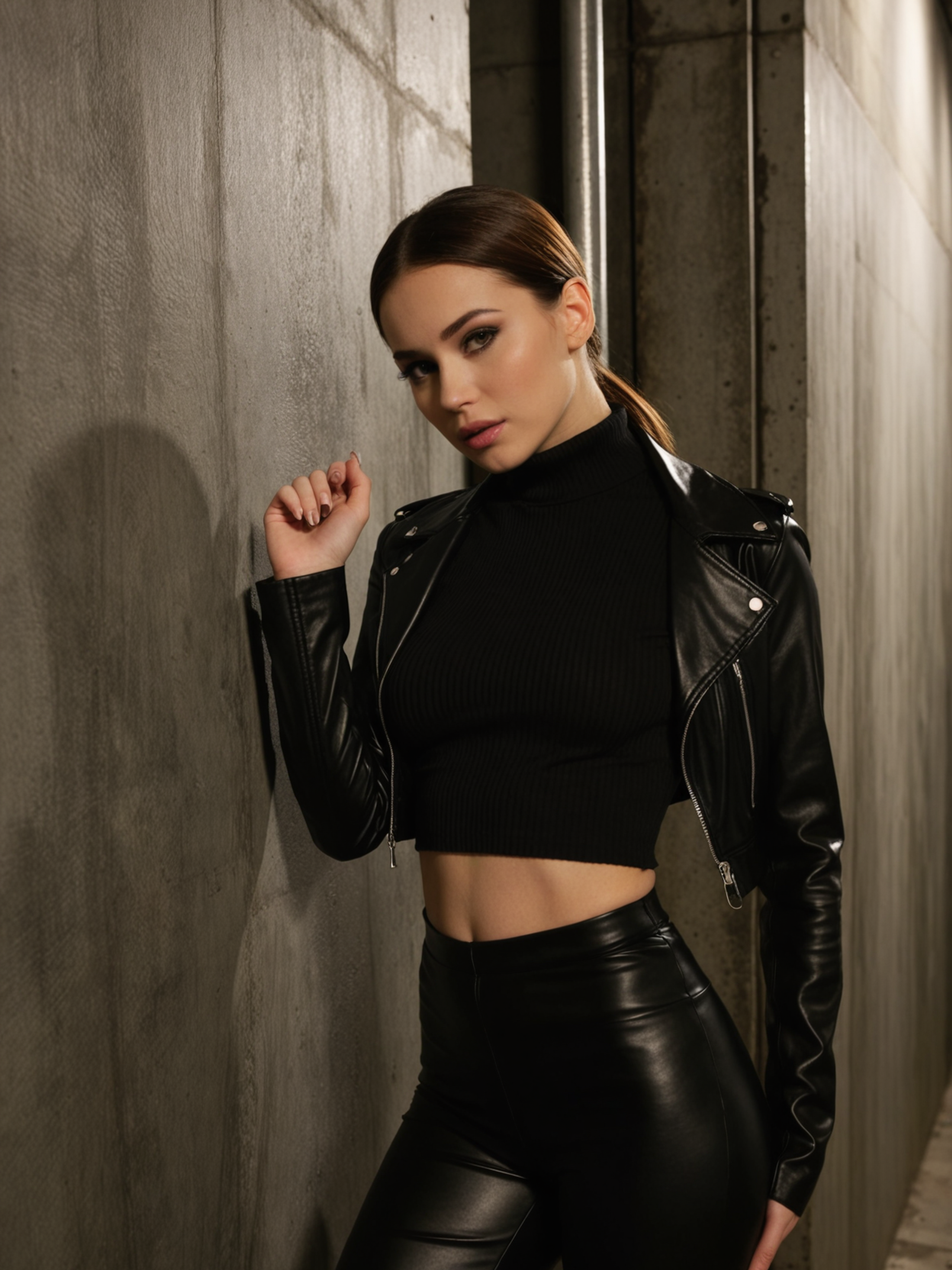
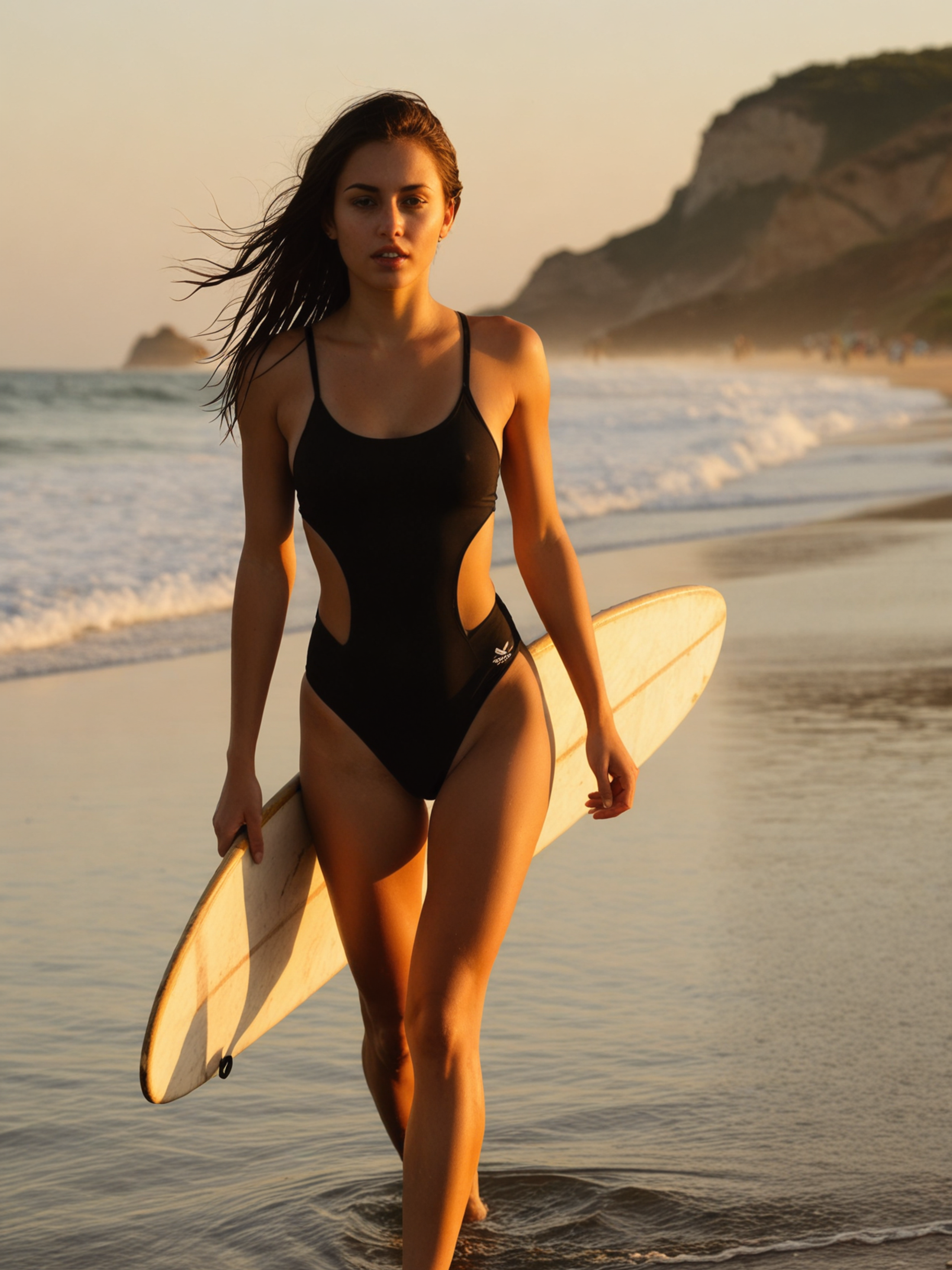
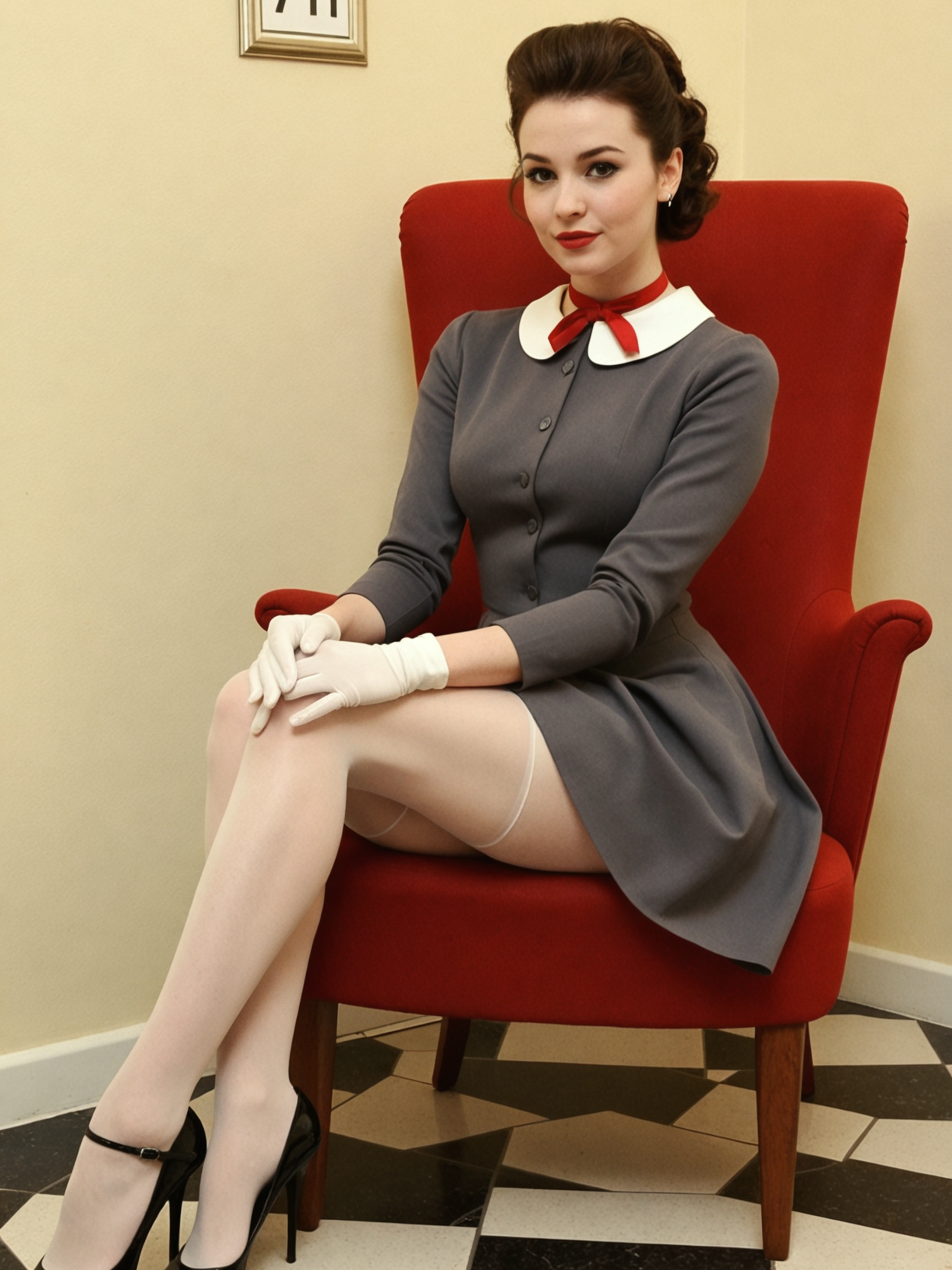
Fornecemos seis exemplos de prompts com os resultados correspondentes para ajudar você a começar.
Considere estes três cenários onde um modelo alternativo pode ser mais adequado:
Estas cinco estratégias aproveitam melhor as características do SDXL:
Lista de verificação de produção
- Selecione SDXL nas opções de modelo.
- Crie seu prompt, garantindo que os descritores de estilo sejam claros para uma integração ideal do VideoAny. Se estiver usando VideoAny, defina sua força entre 0,5 e 3,0, começando com valores mais baixos para as passagens iniciais.
- Escolha a proporção e o tamanho do lote desejados e inicie a geração. A resolução de saída pode atingir até 4K, dependendo das dimensões.
- Anúncio oficial do lançamento do SDXL 1.0 da Stability AI: stability.ai
Prompts curtos e concretos são mais fáceis de comparar do que briefs criativos amplos.
Casos de uso
SDXL versus outros modelos VideoAny
Esses exemplos se traduzem em padrões de produção práticos para o VideoAny.
SDXL — Uncensored AI Image Generation with LoRA Stacking on VideoAny source gallery visual 1
Qual é a verdadeira resolução máxima do SDXL no VideoAny?
O SDXL está disponível nas ferramentas de Texto para Imagem, Editor de Imagens e Troca de Rosto da VideoAny. Sua arquitetura de 2023 é menos adequada para prompts complexos com múltiplos elementos em comparação com Flux, Qwen ou Seedream.
Principais considerações
- Alinhe a seleção do modelo com a tarefa visual específica.
- Mantenha os prompts concisos, concretos e testáveis.
- Priorize a revisão da identidade, iluminação, anatomia e texto antes de escalar.
- Utilize as ferramentas de pós-processamento do VideoAny para necessidades de movimento ou edição.
- Pricing model
- Os custos de crédito do VideoAny variam de acordo com o modelo escolhido e as configurações de saída.
- Trade-offs
- A qualidade da saída permanece dependente da clareza do prompt, da qualidade da imagem de origem e do orçamento de iteração.
- Best fit
- Criadores que buscam visuais de IA consistentes sem precisar redefinir fluxos de trabalho para cada ativo.
SDXL — Uncensored AI Image Generation with LoRA Stacking on VideoAny source gallery visual 2
Quantas LoRAs podem ser empilhadas simultaneamente?
Seis prompts, seis resultados. Copie qualquer prompt para começar do mesmo ponto.
Principais considerações
- Alinhe a seleção do modelo com a tarefa visual específica.
- Mantenha os prompts concisos, concretos e testáveis.
- Priorize a revisão da identidade, iluminação, anatomia e texto antes de escalar.
- Utilize as ferramentas de pós-processamento do VideoAny para necessidades de movimento ou edição.
- Pricing model
- Os custos de crédito do VideoAny variam de acordo com o modelo selecionado e as configurações de saída.
- Trade-offs
- A qualidade da saída permanece dependente da clareza do prompt, da qualidade da imagem de origem e do orçamento de iteração.
- Best fit
- Criadores que buscam visuais de IA consistentes sem precisar reestabelecer fluxos de trabalho para cada ativo.
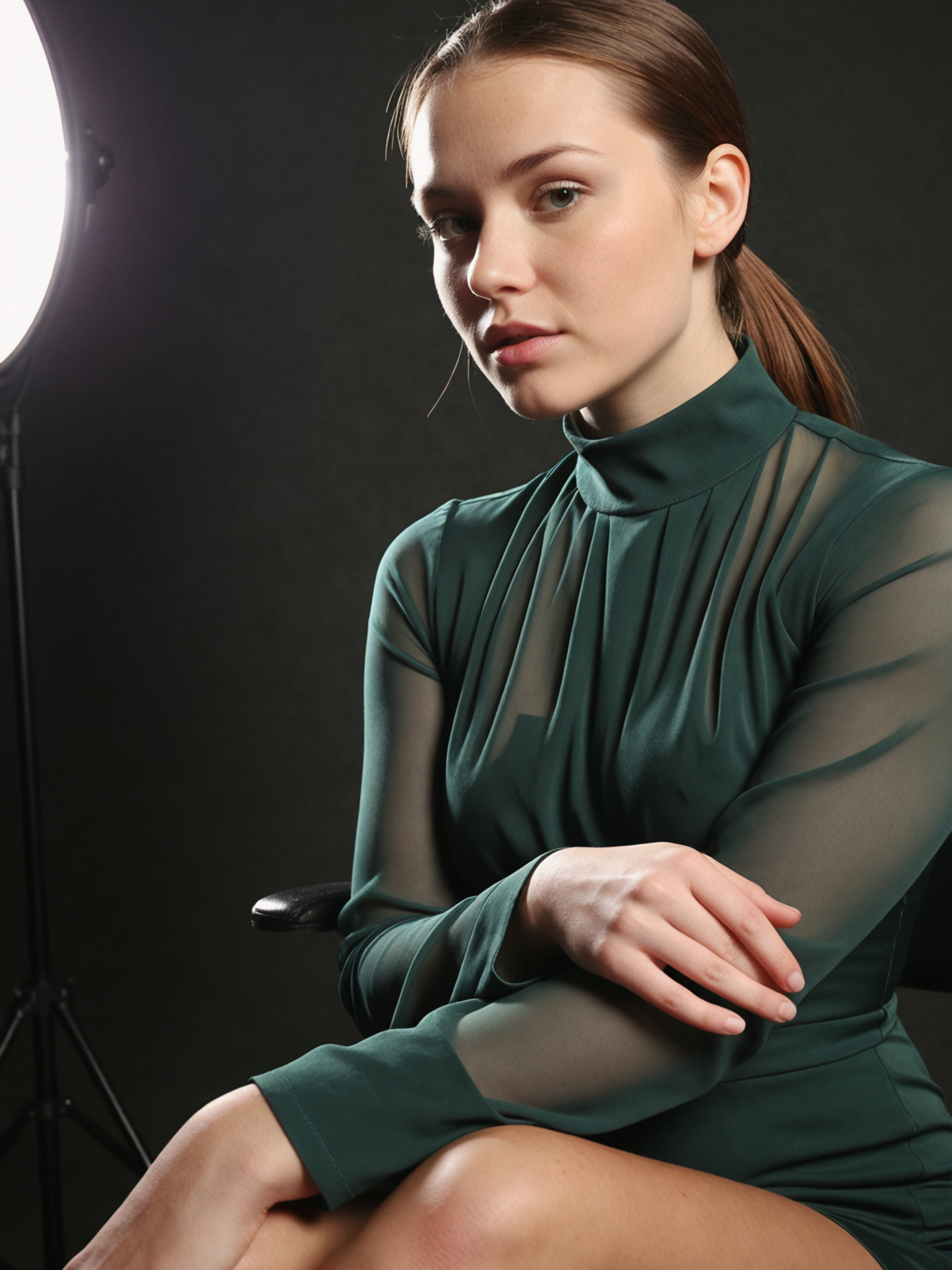
SDXL — Uncensored AI Image Generation with LoRA Stacking on VideoAny source gallery visual 3
Por que o SDXL às vezes produz erros anatômicos?
Três categorias onde outro modelo se encaixa melhor:
Principais considerações
- Alinhe a seleção do modelo com a tarefa visual específica.
- Mantenha os prompts concisos, concretos e testáveis.
- Priorize a revisão de identidade, iluminação, anatomia e texto antes de escalar.
- Utilize as ferramentas de pós-processamento do VideoAny para necessidades de movimento ou edição.
- Pricing model
- Os custos de crédito do VideoAny variam de acordo com o modelo escolhido e as configurações de saída.
- Trade-offs
- A qualidade da saída permanece dependente da clareza do prompt, da qualidade da imagem de origem e do orçamento de iteração.
- Best fit
- Criadores que buscam visuais de IA consistentes sem precisar reestabelecer fluxos de trabalho para cada ativo.
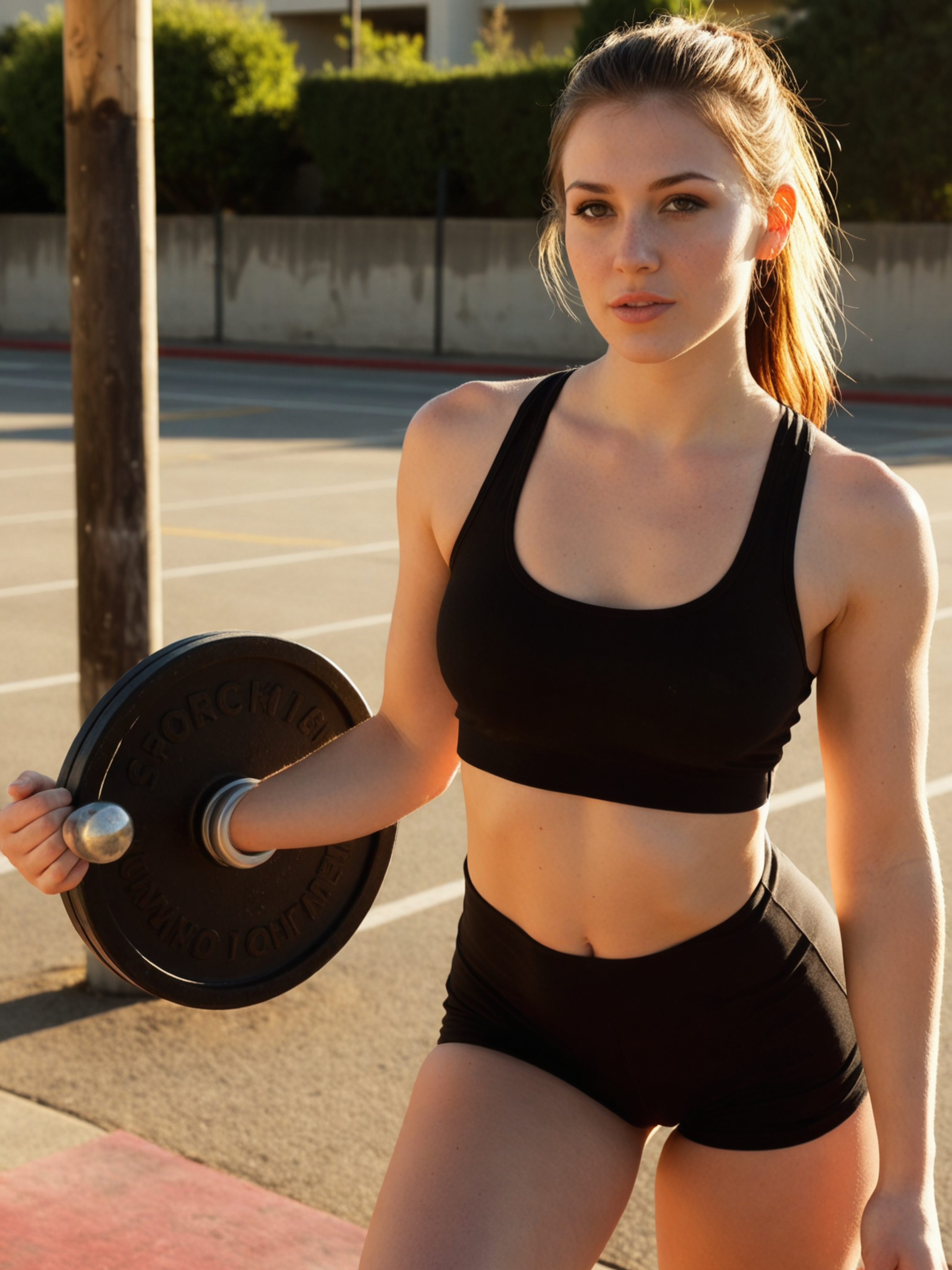
SDXL — Uncensored AI Image Generation with LoRA Stacking on VideoAny source gallery visual 4
O que é destilação DMD2?
Cinco táticas ajustadas aos pontos fortes do SDXL:
Principais considerações
- Alinhe a seleção do modelo com a tarefa visual específica.
- Mantenha os prompts concisos, concretos e testáveis.
- Priorize a revisão da identidade, iluminação, anatomia e texto antes de escalar.
- Utilize as ferramentas de pós-processamento do VideoAny para necessidades de movimento ou edição.
- Pricing model
- Os custos de crédito do VideoAny variam de acordo com o modelo selecionado e as configurações de saída.
- Trade-offs
- A qualidade da saída permanece dependente da clareza do prompt, da qualidade da imagem de origem e do orçamento de iteração.
- Best fit
- Criadores que buscam visuais de IA consistentes sem precisar reestabelecer fluxos de trabalho para cada ativo.
Perguntas Frequentes
Perguntas frequentes sobre este fluxo de trabalho
Qual é a resolução máxima real para SDXL no VideoAny?
O SDXL pode gerar imagens dinamicamente em até 4K (4096 px no lado mais longo). O rótulo "1K" ocasionalmente exibido na interface do usuário é um bug visual conhecido e não reflete a verdadeira capacidade de saída.
Quantas LoRAs posso combinar em uma única geração?
Você pode empilhar até três LoRAs por geração, cada uma com uma configuração de força independente de 0,5 a 3,0. Para as passagens iniciais, é recomendável começar com forças mais baixas (0,5–1,5), pois forças mais altas podem impactar a precisão anatômica em favor de uma influência estilística mais forte.
Por que o SDXL às vezes produz erros anatômicos?
Existem duas razões principais. Primeiro, a arquitetura de 2023 do SDXL é menos avançada que a de modelos mais recentes, como Flux, Qwen ou Seedream, que lidam com a anatomia de forma inerentemente mais precisa. Segundo, usar forças de LoRA altas (acima de 1.5–2.0) frequentemente sacrifica a correção anatômica por um efeito estilístico mais pronunciado. Para uma anatomia consistentemente precisa, considere usar o Flux Klein.
O que é a destilação DMD2?
A destilação DMD2 é um pipeline personalizado de 4 etapas que permite ao SDXL gerar imagens rapidamente em GPUs locais. Enquanto o SDXL padrão geralmente requer de 30 a 50 etapas de inferência, a variante DMD2 alcança qualidade comparável em apenas 4 etapas. Qualquer pequena perda de detalhes finos decorrente dessa aceleração é compensada pelo pipeline refinador subsequente.
O que é o pipeline do VideoAny?
O SDXL emprega uma arquitetura de duas etapas: o modelo base primeiro gera imagens latentes preliminares e, em seguida, um modelo de refinamento especializado executa as etapas finais de denoising para aprimorar detalhes e nitidez. A implantação do VideoAny integra ambas as etapas em uma única chamada, proporcionando os benefícios de qualidade sem exigir que os usuários gerenciem um fluxo de trabalho separado de duas passagens.
Por que minhas gerações SDXL às vezes falham ou ficam lentas?
O SDXL opera na frota de GPUs dedicadas da VideoAny, em vez de por meio de uma API gerenciada por terceiros. Consequentemente, o desempenho do SDXL pode ser prejudicado se nossa frota ComfyUI apresentar problemas. Para fluxos de trabalho onde a confiabilidade é primordial, o Seedream 5 e o WAN 2.7, que utilizam APIs gerenciadas, oferecem um desempenho mais consistente durante desafios de infraestrutura.
Criar
Crie uma Geração de Imagens de IA SDXL Sem Censura com Empilhamento LoRA em um fluxo de trabalho VideoAny no VideoAny
Utilize este guia de modelo como ponto de partida e, em seguida, gere, edite, anime e publique tudo dentro do fluxo de trabalho integrado do VideoAny.
- Gerar imagens a partir de prompts claros
- Transforme fotos vencedoras em vídeo com o VideoAny
- Manter configurações repetíveis para lotes futuros