Categories: AI Video Workflow, Creator Strategy, Production Process
Tags: videoany, ai creation studio, ai video workflow, content strategy, creator toolkit
Introduction
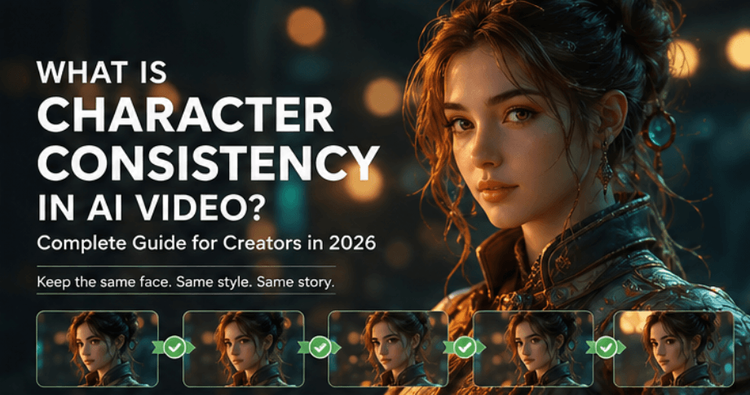
Have you ever generated an AI video only to find your character subtly shifting in appearance from one scene to the next? Perhaps their face changed slightly, their hairstyle lengthened, or their outfit lost a crucial detail. This common challenge, where an AI-generated character looks like the same person in one shot but a distant cousin or entirely new individual in the next, is the problem of character consistency.
As creators move beyond single-clip experiments to produce multi-scene stories, anime shorts, product videos, YouTube Shorts, virtual influencers, and branded content, maintaining a stable visual identity for characters has become one of the most critical topics in AI video creation.
In simple terms, character consistency in AI video means keeping the same visual identity across multiple frames, clips, scenes, or entire episodes. This guide will explore why this is so challenging and how a structured workflow with VideoAny can help you achieve stable, recognizable characters in your AI-generated content.
What Is Character Consistency in AI Video?
Character consistency refers to the ability to maintain a character's consistent visual identity across different scenes, frames, and clips within an AI-generated video or series. If you've ever noticed your AI character's face, hairstyle, or outfit subtly change between shots, you've encountered a lack of character consistency.
This consistency isn't just about the face; it encompasses the character's entire visual and emotional identity, including:
- Face: Shape, features, eye color
- Hairstyle: Length, style, color
- Outfit: Specific clothing, accessories
- Body Proportions: Consistent build and height
- Style: Overall aesthetic and art direction
- Emotional Identity: Consistent portrayal of personality through expressions and posture

Why Character Consistency Matters
Character consistency is paramount because audiences connect with stories through recognizable individuals. Viewers quickly build a mental model of who a character is, even in short videos. The character's face, hairstyle, outfit, posture, and personality serve as crucial visual anchors that help the audience follow the narrative and empathize with the character.
Without consistency, the audience's immersion is broken, and the story loses its impact. For creators aiming to produce engaging content like anime shorts, multi-scene narratives, product advertisements, or virtual influencer series, a stable character identity is essential for building audience recognition and brand memory.
Character Consistency Is More Than Keeping the Same Face
Many creators initially assume that character consistency simply means ensuring the face remains identical. While the face is a critical component, it's only one part of a character's complete visual identity. A character is a holistic entity, and consistency must extend to every visual element that defines them.
This includes maintaining the same hairstyle, outfit, body shape, color palette, and even key accessories. If any of these elements shift, the audience perceives a different character, even if the face bears a resemblance.
Why AI Video Characters Change Between Scenes
The primary reason AI video characters struggle with consistency is that AI models generate images and motion based on patterns and probabilities, not an inherent understanding of a character as a fixed, permanent identity. Each new frame or scene is often generated with a fresh interpretation of the prompt, leading to subtle or even drastic variations.
AI image-to-video tools, in particular, are prone to distorting faces, hands, outfits, and body proportions as they attempt to animate static images or generate new frames. The model might "forget" specific details or interpret them differently with each new generation, resulting in warping and inconsistency.
The Difference Between Model Consistency and Workflow Consistency
It's crucial to distinguish between what an AI model can achieve on its own and what a structured workflow can provide. Some AI video models are indeed better than others at maintaining character identity, especially those that support reference images or boast improved temporal coherence features. However, no single AI model fully solves character consistency by itself.
Real stability comes from a well-designed workflow that guides the AI, rather than relying solely on the model's inherent capabilities. This means that while choosing a capable model is important, the strategy and tools you use to manage your creative process are even more critical for achieving reliable character consistency.
How to Improve Character Consistency in AI Video
Achieving character consistency requires a deliberate, multi-step approach:
- Create a Strong Character Reference: The foundational step is to establish a clear, detailed character reference. This reference should meticulously show the character’s face, hairstyle, outfit, body shape, specific colors, and any key accessories from multiple angles if possible. The more detailed and consistent your reference, the better the AI can interpret it.
- Use Better Reference Images: High-quality, unambiguous reference images are paramount. Avoid blurry or inconsistent source material.
- Controlled Motion Prompts: When generating video, use precise and consistent motion prompts that guide the AI without introducing unnecessary variability.
- Camera Planning: Plan your camera angles and movements carefully. Sudden, drastic camera changes can sometimes exacerbate consistency issues.
- Iterative Refinement: Character consistency is rarely achieved in a single pass. It requires a process of generating, reviewing, and refining to correct inconsistencies.
A Practical Character Consistency Prompt Template
To guide your AI model effectively, a detailed and consistent prompt is essential. Here's a practical template you can adapt:
"Use the same character from the reference image. Preserve the exact face shape, eye color, hairstyle, hair length, outfit, accessories, body proportions, color palette, and overall art style. In this scene, the character [specific action]. The setting is [location]."
By explicitly listing all the attributes you want to preserve, you provide the AI with a clearer directive, reducing the likelihood of unwanted variations.
Character Consistency for Different Use Cases
The need for character consistency spans a wide array of creative applications:
- Anime Creators: For anime shorts, webtoon-to-video content, manga-inspired animation, and AI-generated series, character consistency allows a one-off design to evolve into a recurring protagonist, fostering audience connection.
- Multi-Scene Stories: Any narrative that unfolds across multiple shots or scenes benefits immensely from consistent characters, ensuring a cohesive viewing experience.
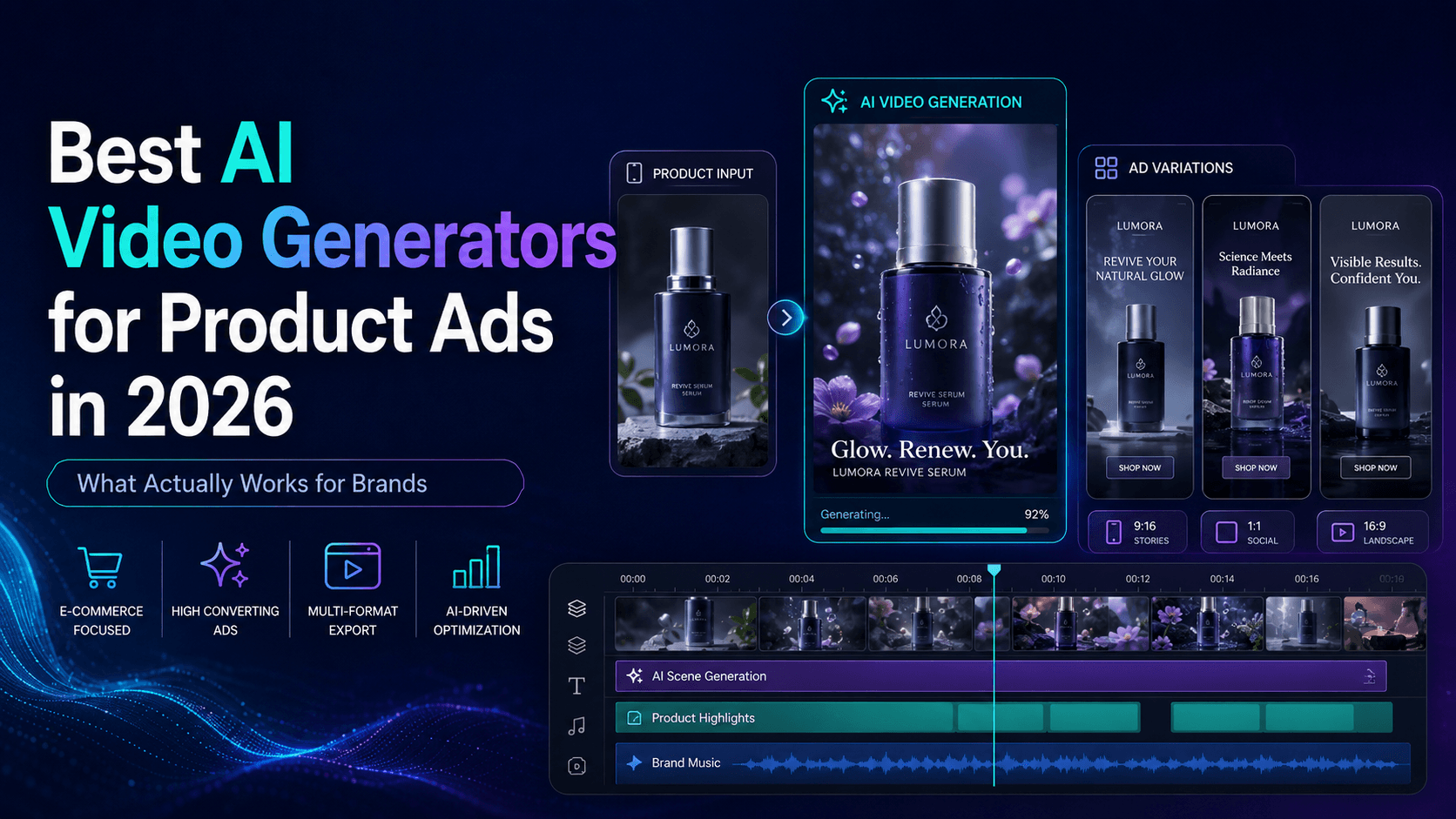
- Product Videos & Ads: For branded content, e-commerce ads, and TikTok creatives, consistent characters (e.g., brand mascots or virtual spokespeople) build brand recognition and trust.
- YouTube Shorts & Social Media: Repeatable content workflows for short-form video thrive on character consistency, making content instantly recognizable.
- Virtual Influencers & Music Videos: Maintaining a stable persona is critical for virtual influencers and for artists who use AI characters in their music videos.
Why VideoAny Is Built for This Workflow
Character consistency is not a problem solved by a single prompt or a standalone model; it demands a comprehensive workspace where visual identities can be reused, tested, and refined across multiple scenes and projects. This is precisely why VideoAny is designed to fit naturally into this workflow.
VideoAny provides the environment for creators to:
- Manage Character References: Store and easily access detailed character references for consistent application.
- Implement Structured Workflows: Facilitate a step-by-step process for generating and refining video clips, ensuring consistency at each stage.
- Iterate and Refine: Support the iterative process of generating content, identifying inconsistencies, and making adjustments.
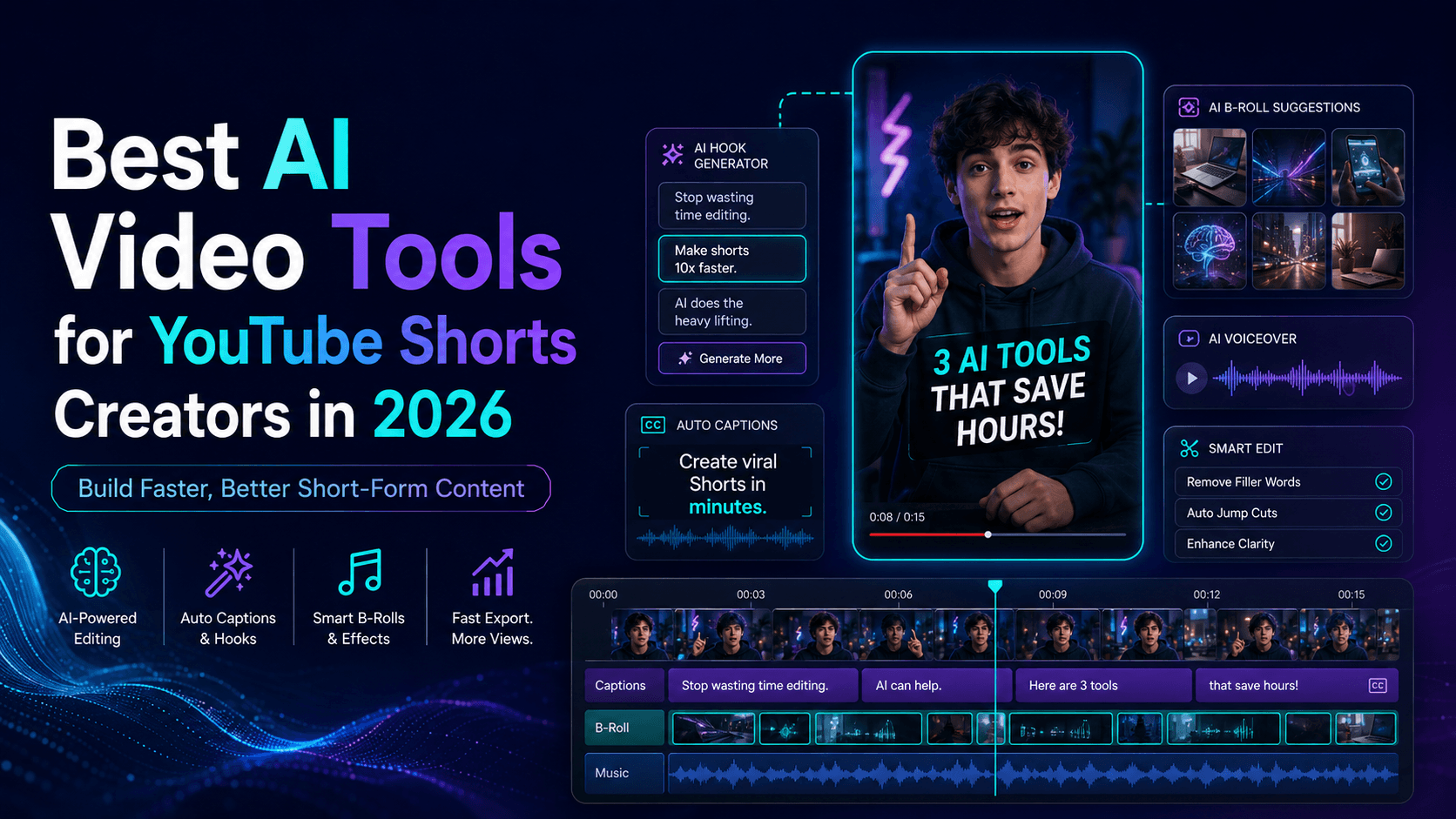
- Scale Production: Enable creators to produce high volumes of consistent content, from YouTube Shorts and product ads to e-commerce videos and branded campaigns.
Our platform focuses on workflow design, recognizing that real stability in AI video characters comes from a systematic approach, not just the choice of an underlying model. VideoAny helps creators reduce warping in image-to-video tools through better reference management, controlled motion prompting, and overall camera planning.
Final Thoughts
Character consistency in AI video is about ensuring your characters remain visually stable and recognizable across every frame, clip, and story you create. This includes maintaining their face, hairstyle, outfit, body proportions, accessories, style, and even their emotional identity.
While AI models are continuously improving, the ultimate key to consistent characters lies in a structured, deliberate workflow. By creating strong character references, using precise prompts, and leveraging a platform like VideoAny that supports iterative refinement and robust production pipelines, creators can overcome the challenges of AI character variability and produce compelling, cohesive video content.
Next Step
Explore VideoAny workflow templates: https://videoany.io
FAQs
1) Can this workflow work for a solo creator? Yes. Start with a small weekly scope and reuse the same production blocks.
2) How many variants should I test per post? 2 to 4 focused variants are usually enough to identify clear winners.
3) Should I prioritize trends or consistency? Use trends for reach, but keep a consistent format system for long-term brand memory.