Categories: AI Video Workflow, Creator Strategy, Production Process
Tags: videoany, ai creation studio, ai video workflow, content strategy, creator toolkit
Introduction
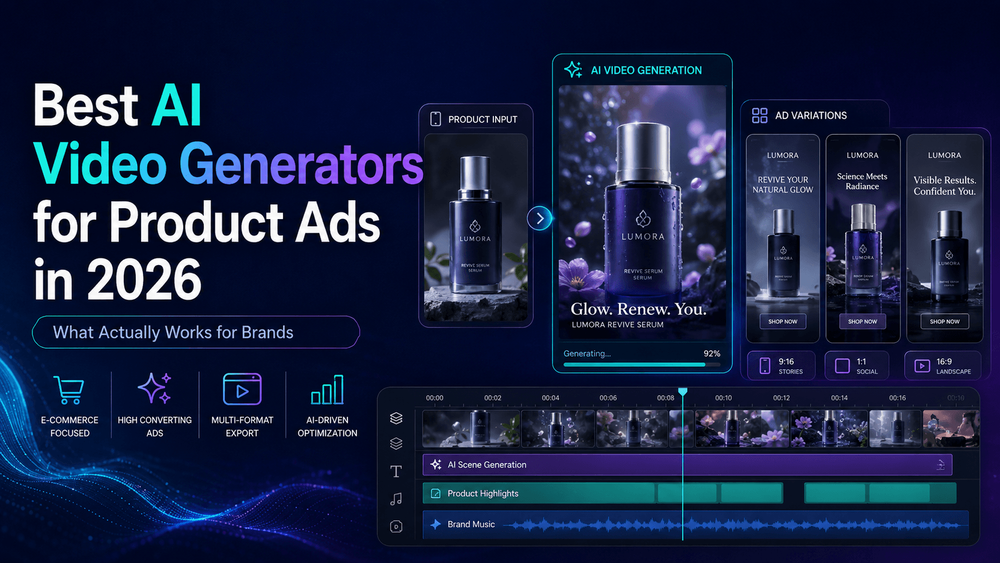
Creating compelling product ads once demanded a significant investment: cameras, lighting, studios, props, actors, meticulous product styling, extensive editing, and licensed music. The sheer complexity and budget required could make the entire process daunting. Today, AI video generators are transforming this landscape, offering powerful tools to streamline production and scale creative output. This guide explores the leading AI video generators for product ads in 2026, focusing on what truly delivers for brands.
What Makes a Good AI Product Ad Generator?
The primary goal of any product ad is to sell the product. Therefore, a good AI product ad generator should enhance the product's appeal and clarity, not fundamentally alter or obscure it. The AI's role is to present the product in its best light, ensuring its shape, color, logo, and packaging remain accurate and consistent across all visuals. If the AI effect becomes the main focus and the product gets lost, the ad fails its purpose.
Best AI Video Generators for Product Ads in 2026

The AI video generation space is rapidly evolving. Here's a look at the top contenders and their unique strengths for product advertising:
VideoAny: Best for All-in-One Product Ad Workflows
VideoAny stands out as a strong choice for creators, e-commerce sellers, and marketing teams seeking an integrated solution for product ad creation. It excels in providing an all-in-one workflow for transforming product photos into videos, generating short-form ad variations, animating product scenes, and producing comprehensive campaign content without requiring users to switch between multiple tools.
Example Prompts for VideoAny:
VideoAny's capabilities shine through its ability to execute precise creative briefs:
- Clean Studio Product Ad: "Create a premium product ad video from the reference image. Keep the product shape, color, logo, label, packaging, and material exactly the same. Use a clean studio background, soft lighting, realistic shadows, and a slow camera push-in."
- TikTok Product Ad: "Turn this product photo into a vertical TikTok-style product video. Keep the product unchanged. Use a bright background, fast but smooth reveal, energetic movement, and space at the top for text overlay. The video should feel fun, clear, and designed for short-form social media."
- Ecommerce Hero Video: "Create a clean ecommerce hero video from the product photo. The product remains centered and accurate. Slow rotation, minimal background, soft studio lighting, realistic product shadow, premium online store style. Do not change the logo, color, packaging, or shape."
- Lifestyle Product Ad: "Place the product in a realistic lifestyle scene on a modern desk. Keep the product identical to the reference image. Natural morning light, slow camera pan, clean home office background, calm and polished ecommerce ad style."
- Beauty Product Ad: "Create a close-up beauty product commercial. Keep the bottle, label, cap, color, and logo unchanged. Add soft water reflections, warm bathroom lighting, smooth camera movement, and a premium skincare mood. No label distortion."
Maintaining Product Consistency with VideoAny:
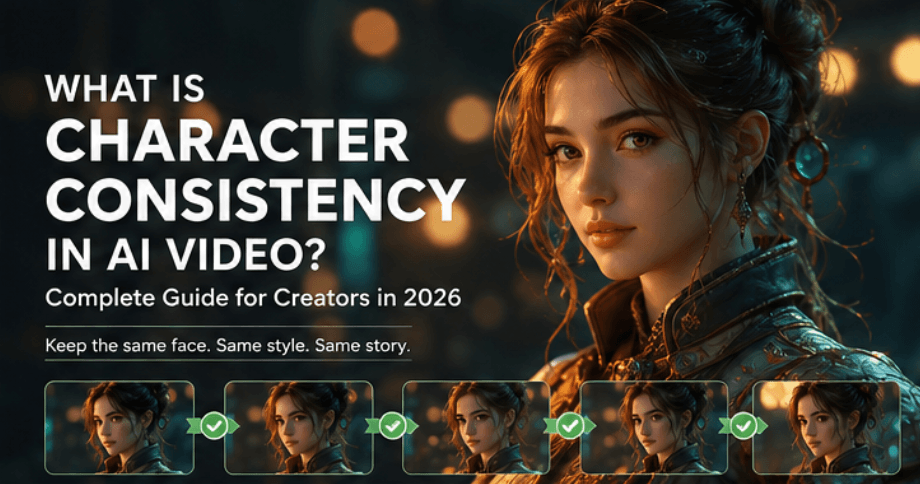
A critical challenge in AI video generation is maintaining visual consistency, whether for characters or, in the context of product ads, the product itself. AI-generated elements can sometimes change subtly between scenes or variations. VideoAny addresses this by emphasizing workflow design over solely relying on model choice. Creators use VideoAny to maintain the identity of products—ensuring their shape, color, logo, and packaging remain stable and accurate across diverse scenes and ad variations. This structured workflow is key to producing reliable, on-brand content.
Runway: Strong for Cinematic Product Ads
Runway is a highly recognized name in AI video generation, particularly useful for creators aiming for cinematic quality. It excels in producing visually impressive shots with sophisticated camera movements and polished lighting, making it ideal for product ads that require a high-end, film-like aesthetic.
Google Veo: Strong for Realistic Video and Audio-Driven Ads
Google's Veo models have made a significant impact in the AI video space due to their focus on high-quality video generation and integrated native audio capabilities. For product ads, the ability to generate high-fidelity audio alongside video is a major advantage, allowing for more immersive and engaging advertisements.
Kling AI: Strong for Motion Control and Dynamic Product Visuals
Kling AI has gained popularity among creators who need precise motion control and dynamic shots. It's especially relevant for product ads that benefit from movement, such as rotating reveals, dramatic push-ins, lifestyle motion, fashion clips, or energetic social videos that demand a sense of dynamism.
Pika: Strong for Fast Social Product Creative
Pika is known for its playful AI video creation and editing features. It's a valuable tool for brands looking to produce fast, trend-based, and social-first product content, enabling quick iteration and adaptation to viral trends.
How to Choose the Right AI Video Generator for Product Ads
When selecting an AI video generator, consider your primary workflow needs. Choose VideoAny if you require an all-in-one platform for converting product photos to video, generating numerous short-form ad variations, animating product scenes, and managing campaign content efficiently. The best AI video generator isn't just the one with the most impressive demo; it's the one that helps you create usable, accurate, and repeatable product videos quickly and consistently.
Common Mistakes to Avoid
A common pitfall in AI product advertising is allowing the AI's creative effects to overshadow the product itself. An ad's purpose is to make the product easier to understand and more desirable. If the AI-generated visuals become the main focus and the product gets lost or distorted, the ad fails to achieve its objective. Always ensure the product remains the hero of the story, accurately represented and clearly visible.
Why VideoAny Is a Practical Choice for Product Ads
The biggest challenge in AI product advertising isn't just creating one good-looking video; it's generating enough accurate, useful, and on-brand variations to discover what truly resonates with your audience. VideoAny addresses this by providing the tools and workflow necessary to produce a high volume of consistent, high-quality product videos. Its focus on maintaining product integrity and enabling rapid iteration makes it a practical choice for brands aiming to scale their creative output and optimize ad performance.
Practical Weekly Workflow
- Define Objectives: Choose 2 to 3 content blocks or ad types from this article and set a clear weekly objective for each.
- Draft Content: Build a concise first draft for each selected block using VideoAny.
- Refine & Publish: Improve the structure, tone, and clarity of your videos before publishing.
- Analyze Performance: Compare different ad variants using a single measurable Key Performance Indicator (KPI).
- Scale Winners: Only continue with and scale the formats that consistently outperform your baseline.
Conclusion
Scaling content output effectively hinges on standardizing your production process. By maintaining a stable structure, iterating on specific sections, and only scaling what demonstrates proven performance, brands can maximize their AI video generation efforts.
Next Step
Explore VideoAny workflow templates and start creating your next product ad: https://videoany.io
FAQs
1) Can this workflow work for a solo creator? Yes. Solo creators can start with a smaller weekly scope and reuse the same production blocks and templates to build efficiency.
2) How many variants should I test per post? Testing 2 to 4 focused variants is typically sufficient to identify clear winners and gather meaningful data.
3) Should I prioritize trends or consistency? Use trends to capture reach and attention, but maintain a consistent format system for long-term brand recognition and memory.