Introduction
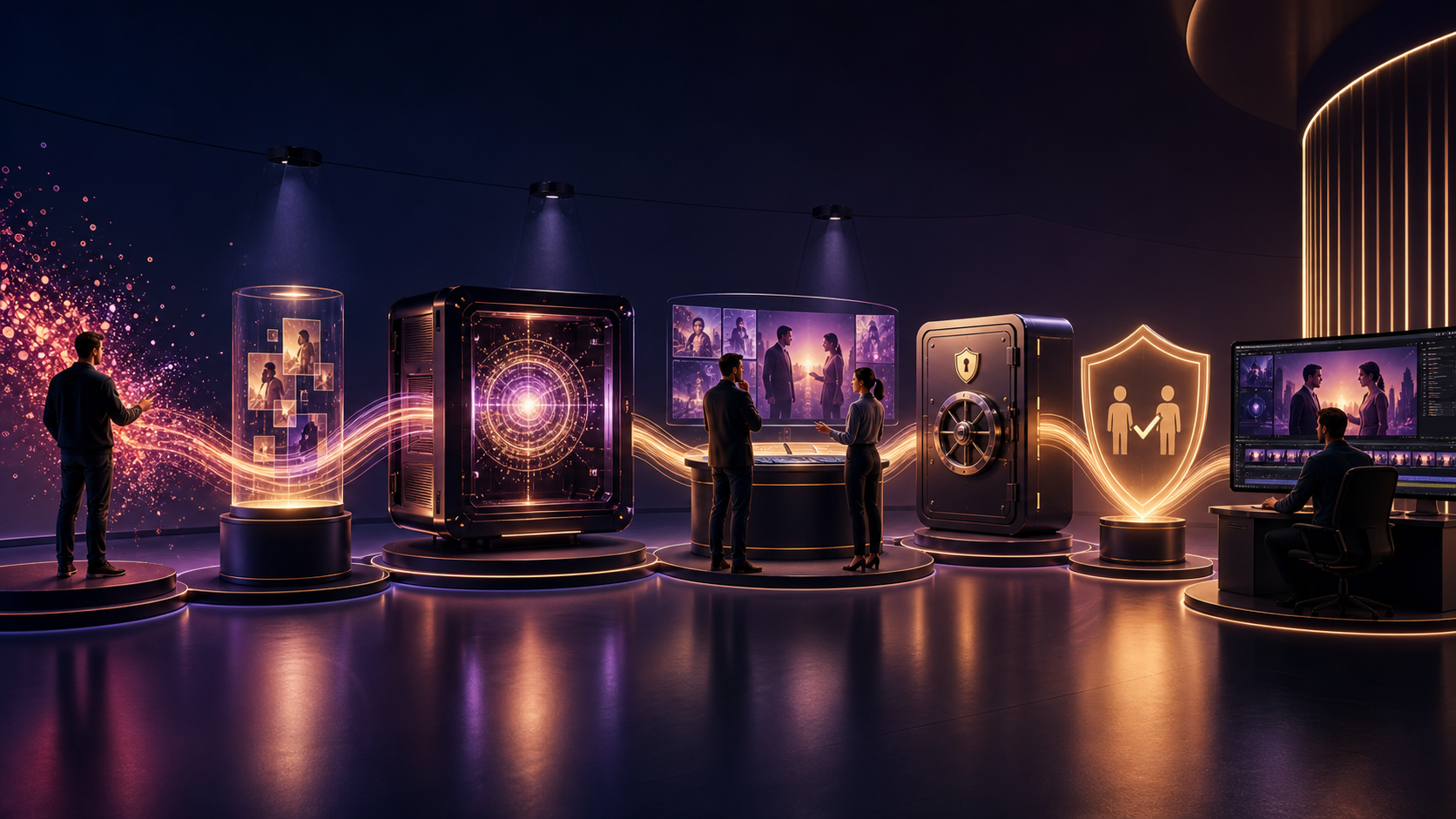
The landscape of AI video generation has evolved rapidly, with 2026 marking a period of consolidation for platforms serving adult audiences. As these tools become more sophisticated, creators are moving beyond simple experimentation toward structured production pipelines. This guide breaks down the technical mechanics behind modern AI video generation, focusing on how different modes of creation—text, image, and reference—function under the hood to produce consistent, high-quality results.
Responsible use: Mature-content workflows must be limited to lawful material involving consenting adults. Never create or share content involving minors, non-consensual imagery, unauthorized likenesses, or material that violates platform terms or applicable law.
The Three Core Generation Modes
Modern AI video platforms generally rely on three distinct workflows. Understanding the trade-offs between these is essential for any creator looking to maintain visual consistency.
- Text-to-Video: This is the most experimental mode. You provide a text prompt, and the model generates a scene from scratch. While this offers high creative freedom, it often introduces "drift," where character identity or wardrobe details change unpredictably between frames.
- Image-to-Video: This is the industry standard for maintaining character continuity. By uploading a static reference image, the model uses that visual anchor to guide the animation process. Because the identity is "locked" to the source image, this mode is preferred for projects where character consistency is the primary requirement.
- Reference-to-Video (Hybrid): This approach combines the best of both worlds. By using a reference image alongside a directed prompt, creators can maintain the identity of the subject while using text to influence camera movement, lighting, or specific actions.
The Role of the Platform Wrapper
While the underlying AI models are powerful, the "wrapper"—the platform interface—is what makes these tools usable for professional workflows. A robust platform handles the complexities of token management, resource allocation, and asset caching.
When generating content, the most effective results follow a structured four-part prompt template: Subject, Scene, Motion, and Camera. Overly long, run-on prompts are often counterproductive; video models typically have a more limited token budget than image models, meaning concise, descriptive instructions yield better results than complex, rambling narratives.
Responsible Content Creation
As with any creative technology, the use of AI for adult-oriented content requires a commitment to ethical standards. Creators should prioritize consent and ensure that all generated media complies with legal requirements and platform terms of service. Responsible AI usage means avoiding the creation of non-consensual imagery or content involving minors. By focusing on lawful, consensual creative expression, the community can continue to innovate while maintaining a safe and professional environment.
Production Workflow for Creators
To move from raw generation to a finished project, consider this systematic approach:
- Define the Outcome: Start with a clear goal, whether it is a short social clip or a longer narrative scene.
- Prepare Your Inputs: Gather high-quality reference images and clear, concise prompts before you begin generating.
- Iterate in Stages: Do not attempt to generate an entire video in one go. Create short, manageable clips and refine them individually.
- Review and Refine: Evaluate each clip for continuity, pacing, and visual clarity. Use tools like VideoAny to manage your assets and refine your outputs.
FAQs
1) How can I ensure my characters look the same across different clips? Use the image-to-video workflow. By keeping a consistent reference image as your source, you provide the model with a fixed identity to anchor the animation.
2) Why are my prompts not producing the expected results? Video models often perform better with shorter, highly specific prompts. Focus on the four-part structure: subject, scene, motion, and camera. Avoid long, complex sentences that may confuse the model.
3) What is the biggest challenge in AI video production? Consistency is the primary hurdle. Managing character identity and maintaining stable motion requires careful planning and the use of reference assets rather than relying solely on text-to-video generation.
4) How does VideoAny fit into this process? VideoAny provides the infrastructure to handle these generation pipelines, allowing you to focus on the creative aspects of your project while the platform manages the technical execution of your prompts and assets.
Explore More
- Text-to-Video Tools
- Image-to-Video Pipelines
- Advanced AI Models