Categories: AI Video, AI Image, Creator Guides
Tags: videoany, ai video, ai content creation, creator guide
Introduction
The landscape of digital entertainment is shifting. In 2026, the term "AI game platform" has moved beyond simple generative experiments to represent a new category of interactive ecosystems. Unlike traditional gaming, which relies on fixed, pre-compiled assets, these platforms integrate artificial intelligence to support a broader cycle of creation and play. This guide explores how these systems function and how creators can leverage similar generative workflows using VideoAny to build, iterate, and refine their own digital content.
An AI Game Platform Is More Than One AI-Generated Game
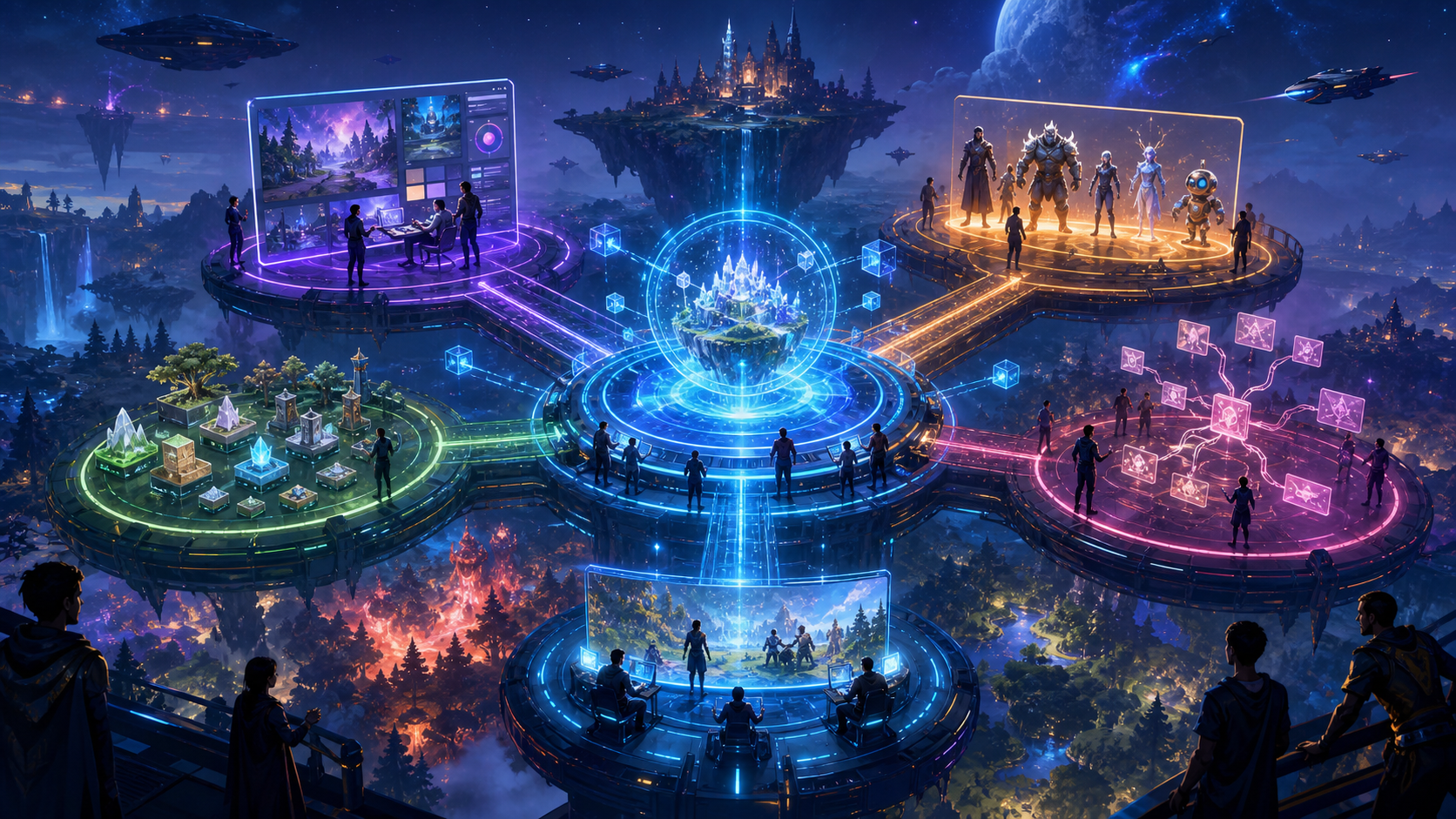
An AI game platform is a digital environment designed to support a living ecosystem rather than a single, static experience. While traditional platforms are typically organized around the distribution of finished products—finding, buying, and launching games—AI-powered platforms introduce a creation layer. This allows users to move beyond merely consuming content to actively participating in its design and modification.
How Does an AI Game Platform Work?
There is no single technical architecture for these platforms, but they generally combine several key layers to create a cohesive experience:
- Language Understanding: This layer translates natural language prompts into structured intent, allowing the system to interpret what a user wants to build or change.
- Generative Components: Once intent is established, various generative systems produce assets like characters, environments, or narrative beats.
- Game Logic: This is the critical "glue" that marketing often overlooks. Games require structure; they must remember player actions, apply rules consistently, and communicate success or failure.
- World Models: These represent the cutting edge of interactive generation. Rather than creating isolated assets, world models aim to simulate environments that respond dynamically to player input. Research like Google DeepMind’s Genie 3 demonstrates the potential for generating explorable environments from text, though it is important to distinguish between research-grade models and consumer-ready platforms.
What Should You Look for in an AI Game Platform?
If you are evaluating these platforms, consider these six criteria:
- Genuine Playability: Is the experience actually interactive, or is it just a series of disconnected prompts?
- Accessible Creation: Does the platform lower the barrier between imagination and a playable version?
- Iterative Support: Can you refine your work? The most effective workflows are iterative, where you play, identify gaps, and adjust.
- Meaningful Consequences: Do player choices actually impact the world?
- Responsible Content Management: How does the platform handle user-generated content? Responsible creation is essential for a sustainable ecosystem.
- Retention Value: Is there a compelling reason to return to the platform?
Bridging the Gap: From Concepts to Production
While AI game platforms offer a unique way to remix worlds, creators can apply these same principles of iteration and generation to video production. Whether you are building a narrative scene or a product demo, the workflow remains similar: define your intent, generate components, and maintain consistency.
When using tools like VideoAny, focus on the "remix" mindset. Start with a clear vision, generate your initial assets, and use VideoAny to refine or expand those clips based on your review. Always ensure that your content creation adheres to ethical standards, respecting intellectual property and ensuring that any use of likenesses or identities is done with full consent.
Practical Weekly Workflow
- Define the Outcome: Identify your goal—whether it is a social post, a tutorial, or a story scene.
- List Required Inputs: Gather your prompts, reference images, or scripts before starting.
- Iterative Generation: Create in small, manageable passes rather than trying to finish a project in one go.
- Review and Refine: Check for continuity, pacing, and visual clarity.
- Document: Save your prompts and settings to make future variations easier to reproduce.
Conclusion
AI-assisted creation is most effective when treated as a repeatable system. By focusing on clear inputs and controlled iteration, you can turn raw generative output into polished, professional communication.
Explore the full range of creative tools at VideoAny.
FAQs
1) Can this workflow work for a solo creator? Yes. By focusing on a repeatable format and keeping your asset list small, you can improve your production quality with every published clip.
2) Should I generate first or write the edit plan first? Always write a plan first. A simple outline helps you determine if your AI-generated assets actually support the final narrative.
3) What should I check before publishing an AI video? Check for visual continuity, pacing, caption accuracy, and whether the video clearly communicates your intended message.
4) How does VideoAny fit into this workflow? Use VideoAny to generate visual variations and assets, then combine those clips with your own editing, audio, and formatting to create a final, cohesive project.