Responsible use: Animate an identifiable person only with the subject's consent and the image rightsholder's authorization. Never use images of minors or age-ambiguous people, and do not create unauthorized likenesses, deceptive impersonations, or non-consensual intimate media.
Categories: AI Video, AI Image, Creator Guides
Tags: videoany, ai video, ai video generator, ai content creation, creator guide
Introduction
In the rapidly evolving landscape of digital content, the ability to transform static images into dynamic narratives is a powerful asset. VideoAny offers a comprehensive suite of AI tools designed to empower creators, providing the means to bring photos to life with exceptional quality and creative control. This guide explores how AI can elevate your visual storytelling, from initial concept to final production.
Unleashing Creative Potential: What VideoAny Offers
VideoAny provides a comprehensive platform designed to empower creators in the realm of AI video generation. Our intuitive tools are crafted to make the process straightforward and efficient, meeting the demands of modern content creation. We understand the desire to animate static visuals, and our suite offers various methods to achieve this with precision and creative freedom.
Core AI Video Generation Capabilities
VideoAny's platform offers a range of capabilities to transform your creative ideas into compelling video content.
Text-to-Video Generation
Imagine articulating your vision in words and watching it materialize as a compelling video. VideoAny's text-to-video feature allows you to transform descriptive text into visual stories. This capability is particularly valuable for script-to-screen adaptations, visualizing concepts, and rapid prototyping, turning ideas into dynamic content quickly. Explore text-to-video creation with VideoAny.
Image-to-Video Transformation
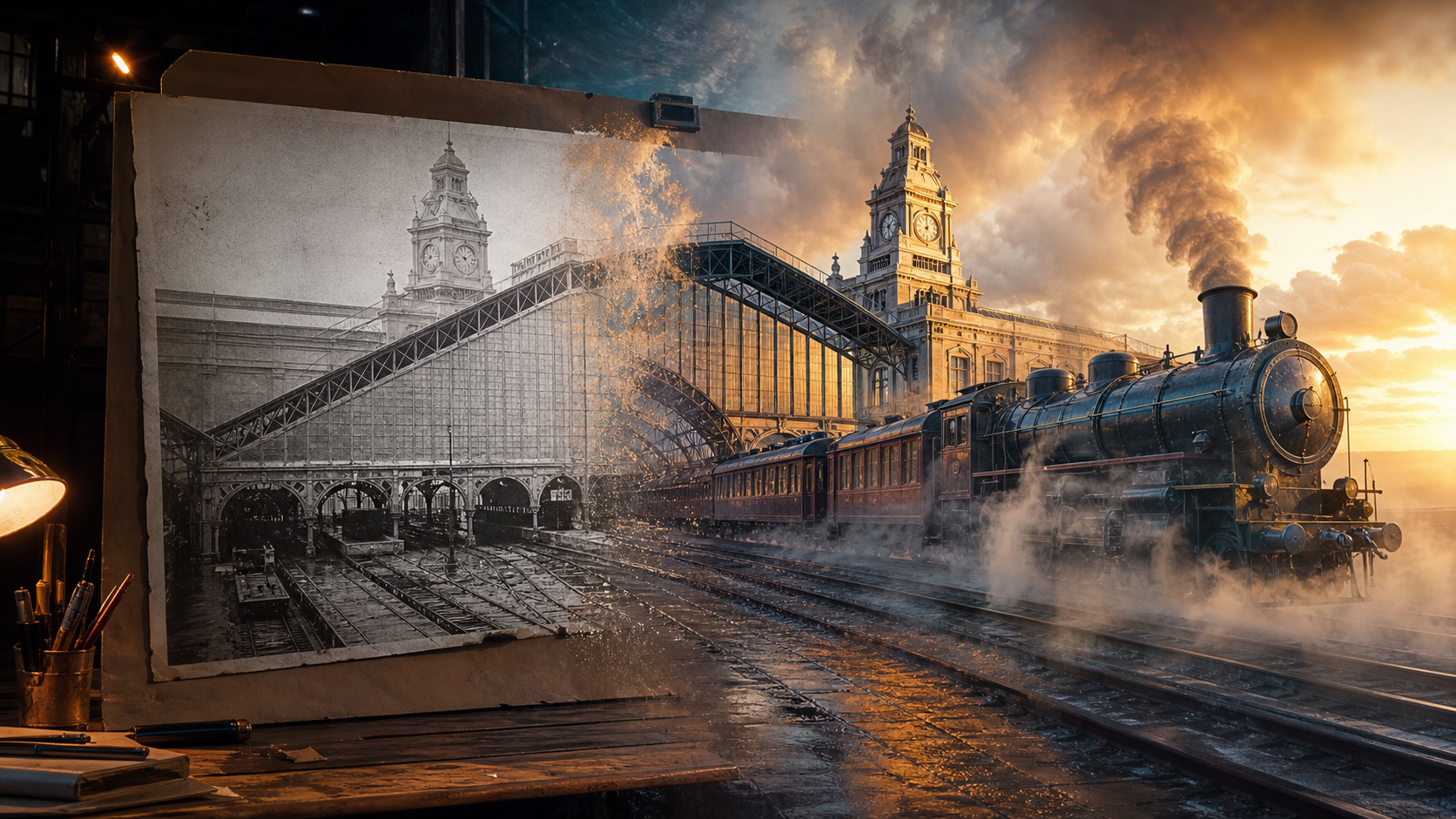
For those looking to animate static visuals, our image-to-video transformation is a cornerstone feature. Simply upload any static image, and AI can add movement, depth, and a narrative flow. From subtle facial expressions to sweeping environmental changes, this technology opens up new creative avenues. It's ideal for revitalizing old photographs, creating dynamic marketing materials from product shots, or producing engaging social media content from single images, truly bringing photos to life in innovative ways. Discover image-to-video possibilities with VideoAny.
Reference-Guided Planning
For more precise creative direction, study authorized examples and record their visible style, motion, camera, and character cues in a reusable brief. Apply those observations consistently across prompts and review outputs against them. This is a planning method rather than a claim about a dedicated generation feature.
Video-to-Video Manipulation
Beyond generating new content, VideoAny also offers tools for video-to-video manipulation. These features enable you to enhance existing footage, apply unique artistic styles, or even alter the narrative by modifying elements within a video. This opens up avenues for creative editing, special effects, and cinematic enhancements, adding another dimension to how you can refine and transform visual experiences. Refine your footage with video-to-video tools.
The Value of Creative Freedom in AI Media Creation
In the realm of AI media creation, the ability to express diverse visions is highly valued. While some platforms may implement strict content guidelines that can limit creative scope, VideoAny is committed to empowering creators to explore the full spectrum of their imagination. We believe that artistic intent is paramount, and our platform aims to support a wide range of creative expressions within responsible and ethical guidelines. VideoAny promotes responsible and consent-based AI media creation. We empower creators to explore imagination while adhering to ethical standards and respecting intellectual property rights.
Key Considerations for AI Video Output
When working with AI video generation, several factors contribute to a successful outcome:
- Resource Management: Many AI platforms, including VideoAny, operate on a credit-based system. This model typically ensures that you only pay for the resources consumed during video generation, making it a cost-effective approach for projects of varying scales.
- Output Quality: The visual fidelity of AI-generated content is crucial. Creators often seek platforms that can render videos in high resolutions, ensuring crisp, clear visuals suitable for professional standards across various applications.
- Aspect Ratio Flexibility: To cater to diverse publishing platforms, from cinematic widescreen to vertical mobile formats, the ability to generate videos in multiple aspect ratios is essential. This flexibility allows content to be tailored for platforms like YouTube, Instagram, and TikTok without compromising quality or aesthetic appeal.
Getting Started with VideoAny
Ready to begin your creative journey? VideoAny is designed for intuitive use, ensuring that anyone can easily start transforming their ideas into dynamic visuals. The process is straightforward, efficient, and tailored to meet the demands of modern content creation. Visit VideoAny.io to explore our tools and begin creating.
Understanding Pricing and Credits
VideoAny aims for transparency in its pricing structure. Our credit system is designed to ensure you only pay for the resources you utilize. This model allows you to manage your budget effectively, investing only in the video content you create. You can typically manage your credits and explore various packages through your account dashboard. For detailed information, please refer to our pricing information.
Workflow Best Practices
Treat AI video generation as a production checkpoint: define the goal, collect the needed inputs, create a small test clip, and only expand the workflow after the first pass is clear. For production, connect this concept to a concrete input, a clear creative decision, and a review signal that tells you whether the result is ready to publish or needs another pass.
Practical Weekly Workflow
- Define the content outcome first: short ad, story scene, tutorial clip, music visual, product demo, or social post.
- List the required inputs: prompt, reference image, product shot, character design, storyboard frame, script, or audio.
- Generate or edit in small passes instead of trying to finish the whole video in one attempt.
- Review the clip for continuity, pacing, visual clarity, caption space, sound needs, and platform format.
- Save the prompt, source assets, and export settings so the next variation is easier to reproduce.
Conclusion
AI-assisted video work is strongest when it is treated as a repeatable production system. The creative idea still matters, but the workflow also needs clear inputs, controlled iteration, and a review step that turns raw generations into finished communication. VideoAny is dedicated to providing a platform where creativity can flourish. Whether you're an experienced professional or just starting, our AI tools empower you to bring photos to life, transform text into captivating narratives, and refine existing videos with ease. Embrace the future of AI media creation with VideoAny – where your imagination drives the output. We encourage responsible and ethical use of AI tools to create compelling and impactful content.
Next Step
Explore VideoAny: https://videoany.io
FAQs
How exactly does AI bring photos to life? AI models analyze static images to identify elements like subjects, backgrounds, and potential movements. They then generate intermediate frames to create smooth transitions, adding motion, depth, and sometimes even subtle narrative elements to the original still image.
Is there a limit to the type of content I can generate using AI video tools? Most AI video generation platforms, including VideoAny, operate under content policies and terms of service to ensure responsible and ethical use. These policies typically guide what kind of content can be generated, promoting safe and respectful creation.
What resolution can AI-generated videos typically achieve? The resolution of AI-generated videos can vary significantly between platforms and models. Many advanced tools aim to produce high-definition outputs, such as 1080p, to ensure professional-quality visuals suitable for various applications.
How much does it cost to generate videos on AI platforms? The cost of generating videos on AI platforms often depends on a credit-based system, where credits are consumed based on factors like video duration, complexity, and resolution. Pricing models vary, with options for purchasing credits or subscription packages.
Can AI video tools generate videos in different aspect ratios? Yes, many AI video generation tools offer flexibility in aspect ratios, allowing creators to tailor their content for various platforms like YouTube (16:9), Instagram (1:1 or 4:5), or TikTok (9:16). This ensures optimal presentation across different viewing environments.
Can this workflow work for a solo creator? Yes. Start with one repeatable format, keep the asset list small, and improve the workflow after each published clip.
Should I generate first or write the edit plan first? Write a short plan first. Even a simple outline helps you judge whether the AI output supports the final video.
What should I check before publishing an AI video? Check continuity, motion quality, captions, sound, aspect ratio, pacing, and whether the video communicates the intended idea without extra explanation.
How does VideoAny fit into this workflow? Use VideoAny where visual generation or variation is needed, then combine the resulting clips with editing, captions, audio, and platform-specific formatting.