Categories: AI Video, AI Image, Creator Guides
Tags: videoany, ai video, ai video generator, ai content creation, creator guide
Introduction
In the evolving landscape of digital media, creators are increasingly seeking tools that offer greater control over their artistic output. As AI video generation becomes a staple in production pipelines, the ability to explore complex themes, avant-garde concepts, and nuanced narratives has become a priority for many artists. This guide examines the role of flexible AI platforms in modern workflows and how creators can leverage these technologies to bring unique visions to life.
Responsible use: Mature-content workflows must be limited to lawful material involving consenting adults. Never create or share content involving minors, non-consensual imagery, unauthorized likenesses, or material that violates platform terms or applicable law.
The Evolution of Creative Expression in AI
Modern content creation is often hindered by rigid algorithmic constraints that limit the scope of what can be produced. For filmmakers, animators, and digital artists, these limitations can stifle the ability to tell stories that fall outside of mainstream, "family-friendly" guidelines.
True creative freedom involves the ability to explore diverse themes—ranging from provocative social commentary to imaginative, experimental art—without the friction of over-sensitive moderation. By utilizing advanced AI tools, creators can push the boundaries of their craft, producing scenes and narratives that challenge conventional norms and spark meaningful dialogue.
Why Flexibility Matters in AI Production
When evaluating AI video platforms, the distinction between restrictive and flexible services is significant. Many mainstream generators employ strict content filters that automatically flag or block prompts based on narrow definitions of "appropriateness." For a professional creator, this often results in:
- Self-Censorship: Artists may dilute their messages to avoid triggering platform filters.
- Workflow Disruption: Time spent navigating "safe" alternatives often leads to a loss of the original creative intent.
- Limited Scope: Complex narratives that require a mature or nuanced approach are frequently rendered impossible by automated moderation.
A platform that prioritizes the diversity of human imagination allows for a much broader spectrum of expression. Whether you are working on a cinematic project, a web presentation, or experimental social media content, having a tool that adapts to your specific requirements is essential for maintaining creative integrity.
Integrating AI into Your Workflow
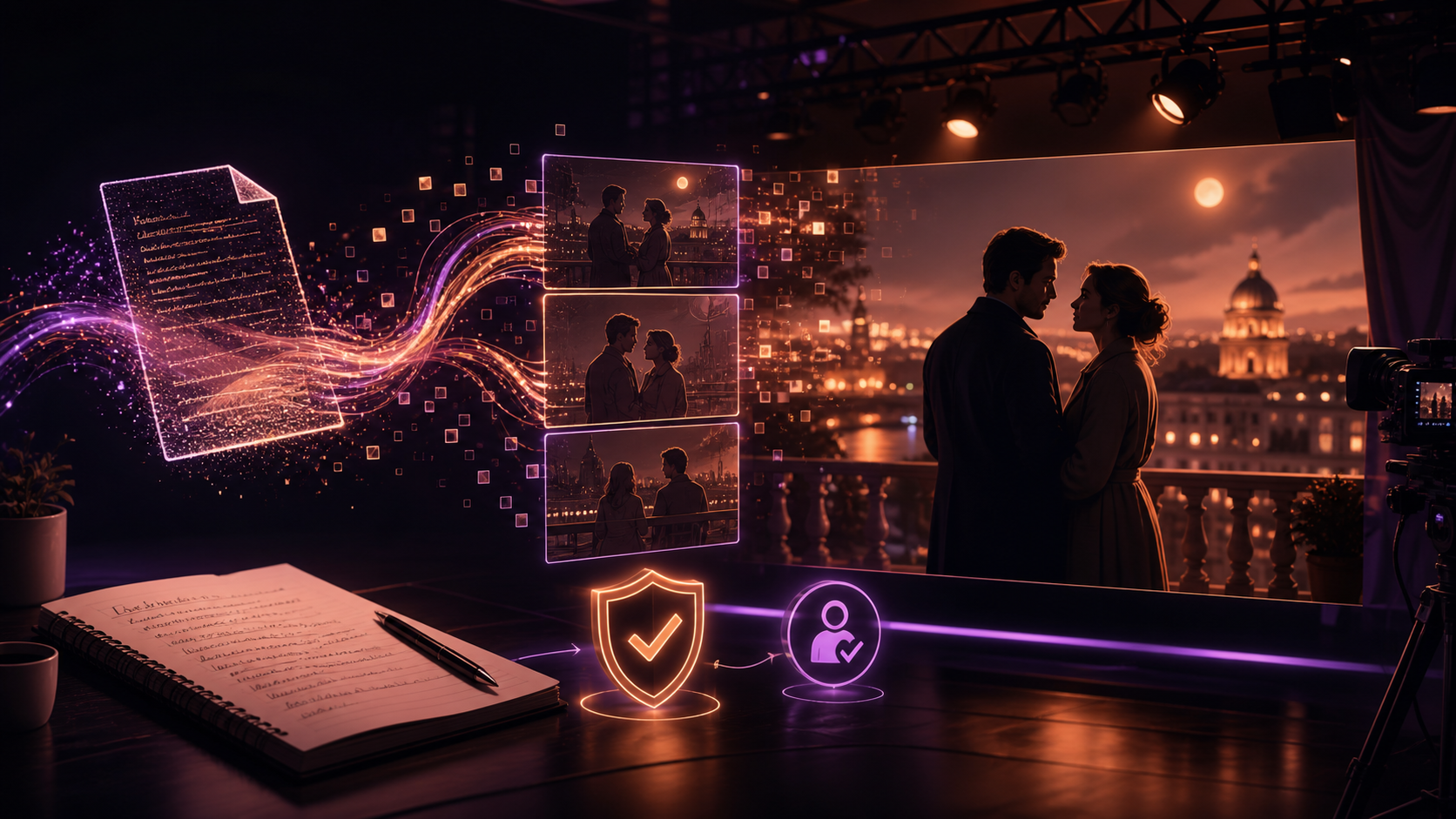
Treating AI-assisted video production as a repeatable system is the most effective way to manage quality and output. Rather than relying on a single generation, professional creators often use a multi-step approach:
- Define the Outcome: Start with a clear goal—whether it is a short story scene, a music visual, or a product demo.
- Select Your Input: Utilize text-to-video or image-to-video inputs to provide the AI with a strong foundation.
- Iterative Generation: Generate clips in small, manageable passes to maintain control over pacing and visual continuity.
- Review and Refine: Evaluate each clip for clarity, motion quality, and alignment with your project’s aesthetic before moving to the final edit.
Responsible and Ethical Creation
As with any powerful creative tool, the use of AI for generating mature or sensitive content carries a responsibility. It is vital to ensure that all content creation remains within the bounds of legal frameworks and respects the rights of others.
- Consent is Key: Never use AI to generate non-consensual imagery or content that violates the rights or privacy of real individuals.
- Platform Compliance: Always adhere to the terms of service of your chosen platform, which are designed to ensure a safe and lawful environment for all users.
- Ethical Storytelling: When exploring controversial or adult themes, focus on artistic intent and ensure the content is intended for appropriate, consenting audiences.
By maintaining these standards, creators can continue to push the limits of what is possible in digital media while fostering a sustainable and respectful creative community.
Conclusion
AI-assisted video work is most successful when it is treated as a professional production system. By choosing platforms that offer the flexibility to handle diverse creative needs, artists can focus on their vision rather than technical or policy-driven obstacles. Explore the full range of creative tools available at VideoAny to start building your next project.
FAQs
1) Can this workflow work for a solo creator? Yes. Start with one repeatable format, keep your asset list organized, and refine your process after each successful project.
2) Should I generate first or write the edit plan first? Always write a plan first. Even a simple outline helps you determine if the AI output supports your final narrative goals.
3) What should I check before publishing an AI video? Check for visual continuity, pacing, motion artifacts, and whether the video effectively communicates your intended idea.
4) How does VideoAny fit into this workflow? Use VideoAny to generate the core visual sequences, then combine these clips with your preferred editing software, audio, and platform-specific formatting.