Categories: AI Video, AI Image, Creator Guides
Tags: videoany, ai video, ai video generator, ai content creation, creator guide
Introduction
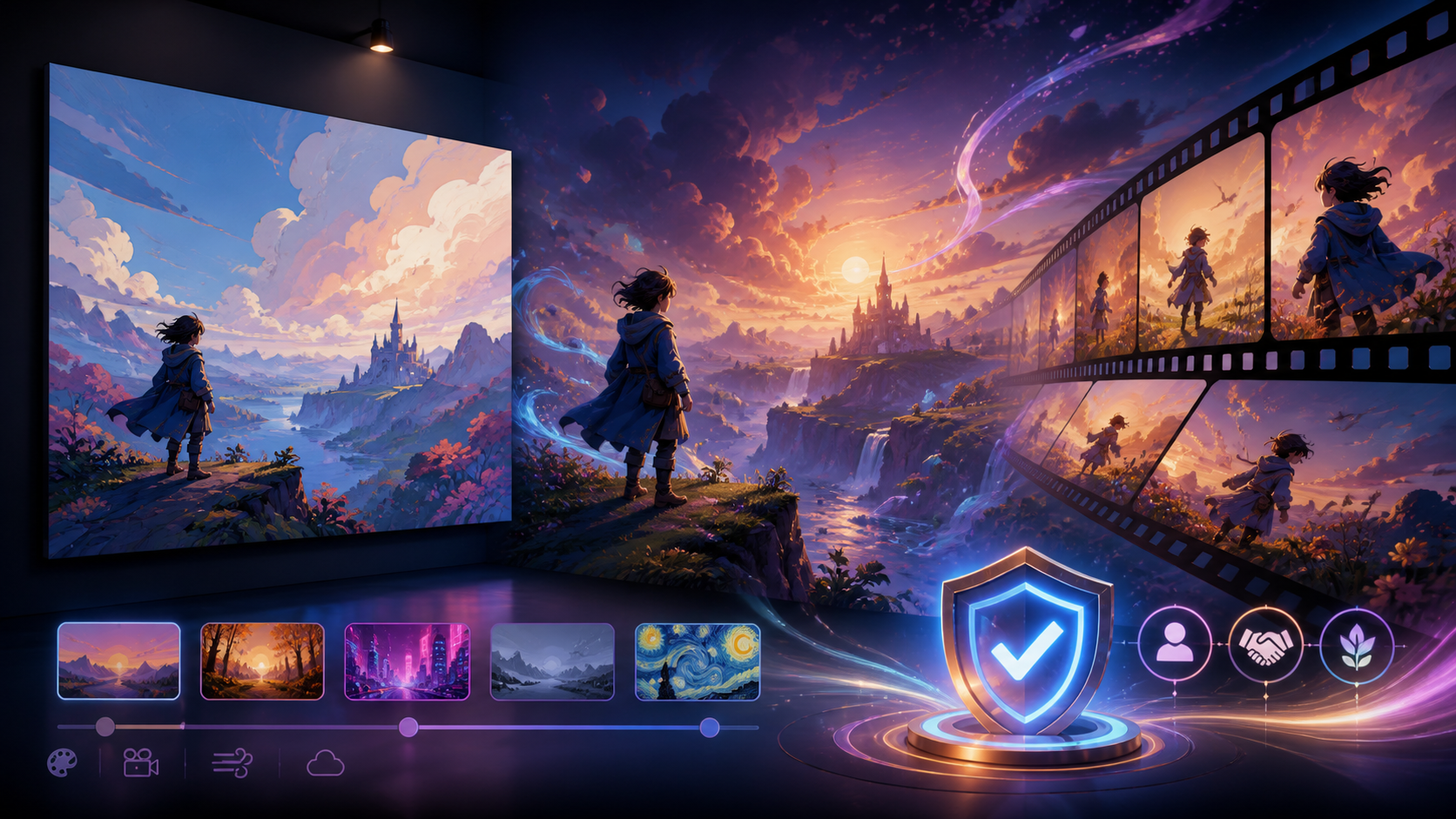
The landscape of digital content creation is rapidly evolving, with AI tools offering powerful new ways to bring visual ideas to life. From generating dynamic video sequences from simple text prompts to animating still images, AI is redefining what's possible for creators. This guide delves into the core capabilities of AI in video and image generation, outlining practical workflows to help you harness these technologies effectively and responsibly. With VideoAny, creators can explore these innovative methods to streamline production, enhance visual storytelling, and produce compelling media.
Responsible use: Mature-content workflows must be limited to lawful material involving consenting adults. Never create or share content involving minors, non-consensual imagery, unauthorized likenesses, or material that violates platform terms or applicable law.
AI-Powered Video from Text
One of the foundational applications of AI in media creation is the ability to generate video directly from textual descriptions. This process allows creators to articulate a scene, action, or mood through written prompts, which the AI then interprets and visualizes into moving imagery. This capability is particularly useful for rapid prototyping, visualizing abstract concepts, or creating initial storyboards without extensive manual animation. When utilizing such tools, clear and descriptive prompts are key to guiding the AI towards the desired visual outcome, ensuring that the generated video aligns with the creative vision.
Explore text-to-video creation with VideoAny.
Animating Still Images with AI
Beyond generating video from scratch, AI also offers powerful features for transforming existing still images into dynamic video clips. This involves taking a static picture and applying AI algorithms to introduce motion, depth, or subtle animations, effectively bringing the image to life. This technique can be invaluable for enhancing photographic content, creating engaging social media visuals, or adding a new dimension to archival imagery. Careful consideration of the input image's composition and the desired motion is crucial for achieving high-quality, continuous results.
Bring your images to life using VideoAny's image-to-video capabilities.
Crafting Visuals with AI Image Generation
The ability of AI to generate novel images from text prompts or other inputs has revolutionized visual content creation. This involves describing a scene, character, object, or style, and letting the AI synthesize a unique image. This capability serves as a powerful starting point for visual projects, allowing creators to quickly generate concept art, character designs, or background elements. When integrating AI image generation into a workflow, it's important to refine prompts iteratively and understand how different parameters influence the output to achieve specific artistic goals.
Responsible AI Content Creation
As AI tools become more sophisticated, the responsibility of creators in generating and disseminating content grows. While AI offers immense creative freedom, it is paramount to ensure that all generated media adheres to ethical guidelines, respects intellectual property, and complies with platform policies and applicable laws. This includes ensuring consent for any likenesses used, avoiding the creation of harmful or misleading content, and maintaining transparency about the use of AI. VideoAny advocates for responsible AI media creation, encouraging users to prioritize ethical considerations and community guidelines in their creative endeavors.
Practical Weekly Workflow
To maximize the efficiency and impact of AI in your creative projects, a structured workflow is essential. Here’s a practical approach to integrating AI video and image generation into your weekly routine:
- Define Your Creative Goal: Start by clearly outlining the desired outcome. Is it a short social media ad, a scene for a larger narrative, a product demonstration, or an educational explainer? A clear objective guides your AI generation process.
- Prepare Your Inputs: Gather all necessary assets. This might include detailed text prompts, reference images, character sketches, storyboards, scripts for voiceovers, or specific audio tracks. The quality of your inputs directly influences the AI's output.
- Iterate in Small Steps: Instead of attempting to generate an entire video in one go, work in smaller, manageable segments. Generate short clips or individual images, review them, and refine your prompts or inputs before proceeding. This iterative approach saves time and improves control.
- Review and Refine: Critically evaluate each generated clip or image. Check for continuity, visual clarity, pacing, motion quality, and alignment with your creative vision. Consider how captions, sound, and aspect ratio will integrate. Crucially, ensure the content adheres to ethical guidelines and platform policies.
- Document Your Process: Save your successful prompts, source assets, and export settings. This documentation is invaluable for reproducing similar styles, creating variations, and maintaining consistency across projects.
Conclusion
AI-assisted video and image generation empowers creators with unprecedented tools for visual storytelling. By adopting a structured, iterative, and responsible workflow, you can transform raw AI outputs into polished, impactful media. VideoAny provides the platform to explore these capabilities, fostering innovation while upholding ethical standards in content creation.
Next Step
Ready to explore the possibilities of AI in video and image creation? Discover the tools and features available at VideoAny.
FAQs
1) Can this workflow work for a solo creator? Absolutely. Solo creators can start by focusing on one specific type of AI generation (e.g., text-to-video or image-to-video), keeping inputs concise, and iteratively refining their process with each published piece.
2) Should I generate first or plan the edit first? A brief plan or outline before generation is highly recommended. Even a simple storyboard or prompt structure helps ensure that the AI output serves your final video's purpose and integrates smoothly into your edit.
3) What should I check before publishing AI-generated video? Before publishing, review for visual continuity, motion quality, clarity of message, pacing, and appropriate aspect ratio. Crucially, ensure the content is ethical, respects intellectual property, and complies with all relevant platform guidelines and laws.
4) How does VideoAny fit into this workflow? VideoAny serves as a powerful platform for generating visual content, whether transforming text into video, animating images, or creating new visuals from prompts. Integrate VideoAny's outputs with your editing software for final assembly, sound design, and platform-specific formatting.