Categories: AI Video, AI Image, Creator Guides
Tags: videoany, ai video, ai video generator, ai content creation, creator guide
Introduction
AI video workflows are most effective when they enhance creative clarity and efficiency. This guide explores the foundational aspects of AI-powered video and image generation, translating them into a practical workflow for planning, creating, and refining your visual content with tools like VideoAny. Our goal is to empower creators to leverage AI responsibly, ensuring that every generated clip serves a clear creative purpose and adheres to ethical guidelines.
Responsible use: Mature-content workflows must be limited to lawful material involving consenting adults. Never create or share content involving minors, non-consensual imagery, unauthorized likenesses, or material that violates platform terms or applicable law.
The Power of AI in Visual Content Creation
Modern AI platforms are transforming how creators approach video and image production. These applications offer tools that can interpret textual descriptions and static images to generate dynamic visual content. This capability opens new avenues for storytelling, marketing, and artistic expression, making advanced media creation more accessible.
Transforming Ideas into Video from Text
One of the most compelling applications of AI is the ability to generate video directly from text prompts. This process allows creators to describe a scene, action, or concept, and the AI interprets these descriptions to produce corresponding video sequences. This capability is ideal for:
- Rapid Prototyping: Quickly visualize concepts without extensive manual animation.
- Storyboarding: Generate dynamic storyboards to refine narrative flow.
- Content Variation: Produce multiple versions of a scene from slightly altered text prompts.
Explore text-to-video capabilities at VideoAny.
Bringing Images to Life with AI
Beyond text, AI can also animate static images, transforming them into short video clips. This feature is particularly useful for:
- Enhancing Photography: Adding subtle motion to still images for social media or presentations.
- Visual Storytelling: Creating dynamic sequences from a series of photographs.
- Concept Art Animation: Giving life to character designs or environmental art.
Discover image-to-video tools at VideoAny.
Crafting AI-Generated Imagery
Many AI creative platforms also offer robust image generation capabilities. This allows creators to produce unique visuals from text descriptions, which can then be used as source material for video projects or as standalone assets. AI image generation is valuable for:
- Concept Art: Developing characters, settings, and props.
- Marketing Visuals: Creating unique graphics for campaigns.
- Visual Inspiration: Generating diverse styles and compositions for creative exploration.
Responsible AI Creation with VideoAny
At VideoAny, we are committed to promoting responsible and ethical AI media creation. While AI tools offer immense creative freedom, it is crucial to use them thoughtfully and ethically. This includes:
- Consent: Always ensure you have appropriate consent when generating media that depicts identifiable individuals.
- Respect for Rights: Adhere to copyright laws and intellectual property rights.
- Platform Policies: Familiarize yourself with and abide by the content policies of VideoAny and any platforms where you share your creations.
- Ethical Content: Avoid generating or disseminating content that is harmful, discriminatory, illegal, or non-consensual. Our platform is designed to support creative expression within a framework of safety and respect.
Practical Weekly Workflow for AI Video Creation
To maximize the potential of AI in your creative process, consider adopting a structured workflow:
- Define the Content Outcome: Clearly articulate your goal. Are you creating a short advertisement, a scene for a larger story, a tutorial clip, a music visual, a product demonstration, or a social media post?
- List Required Inputs: Identify all necessary assets. This might include a detailed text prompt, a reference image, a product shot, a character design, a storyboard frame, a script, or an audio track.
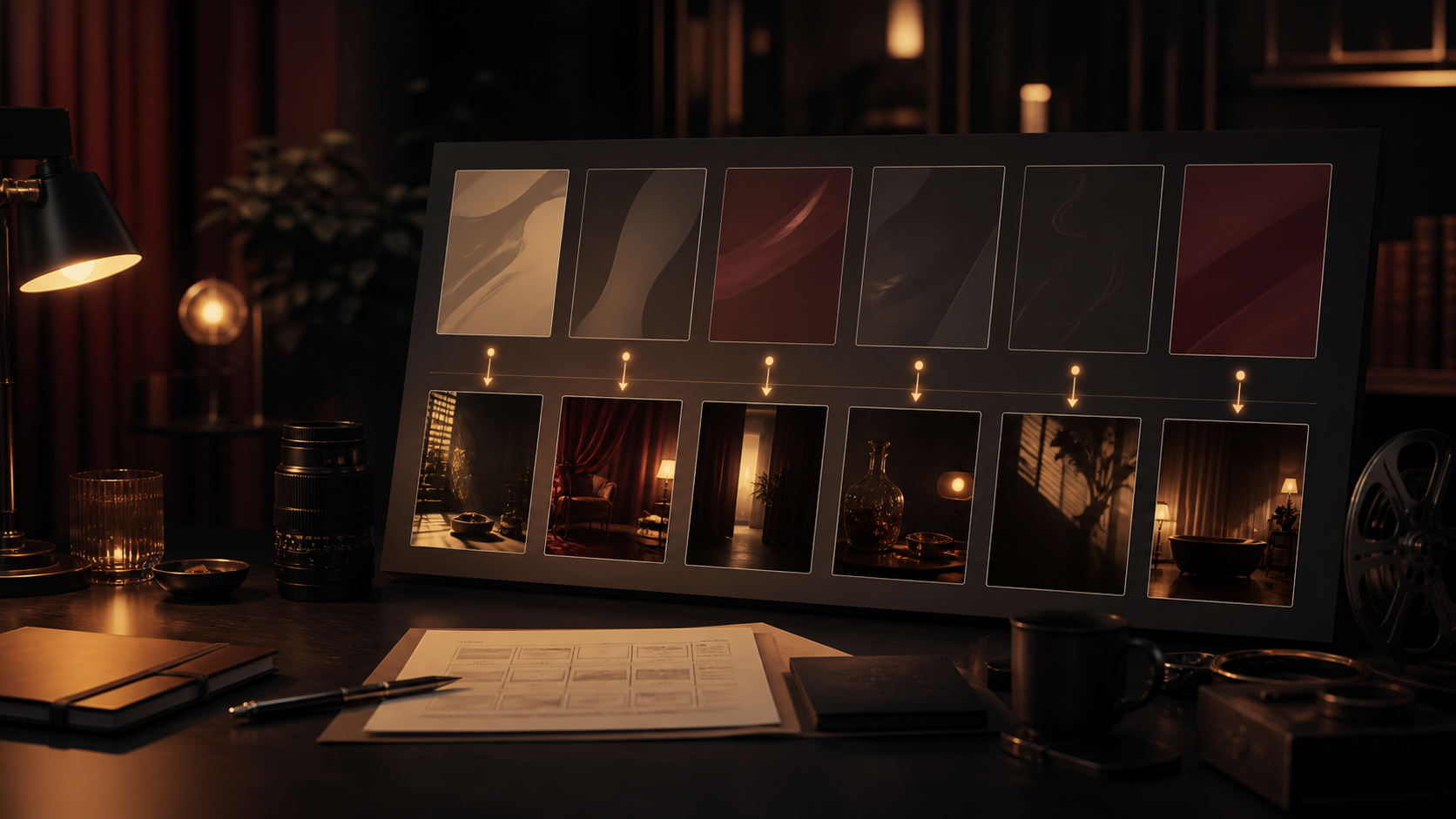
- Generate and Iterate in Small Passes: Instead of attempting to complete an entire video in one go, work in iterative steps. Generate short clips or individual scenes, review them, and refine your inputs before proceeding.
- Review and Refine: Critically evaluate each generated clip for continuity, pacing, visual clarity, potential caption space, sound requirements, and compatibility with your target platform's format.
- Document Your Process: Save your successful prompts, source assets, and export settings. This documentation makes it easier to reproduce specific styles, create variations, and maintain consistency across projects.
Conclusion
AI-assisted video production thrives when approached as a systematic and repeatable process. While the creative vision remains paramount, a well-defined workflow—featuring clear inputs, controlled iteration, and a thorough review stage—is essential for transforming raw AI generations into polished, communicative finished videos. VideoAny is designed to be a part of this creative system, empowering you to bring your visions to life responsibly.
Next Step
Explore the creative possibilities with VideoAny: https://videoany.io
FAQs
1) Can this workflow work for a solo creator? Yes. Start by focusing on one repeatable content format, keep your asset list manageable, and continuously refine your workflow after each published piece.
2) Should I generate first or write the edit plan first? It's generally more efficient to write a brief plan or outline first. Even a simple structure helps you assess whether the AI output effectively supports your final video's narrative and goals.
3) What should I check before publishing an AI video? Before publishing, review for visual continuity, motion quality, clarity of captions, audio synchronization, correct aspect ratio, pacing, and overall effectiveness in communicating your intended message without requiring additional explanation.
4) How does VideoAny fit into this workflow? Use VideoAny for the visual generation and variation stages of your project, whether it's text-to-video, image-to-video, or AI image creation. Then, integrate these generated clips into your broader editing process, adding captions, audio, and platform-specific formatting to complete your production.