Categories: AI Video, AI Image, Creator Guides
Tags: videoany, ai video, ai video generator, ai content creation, creator guide
Introduction
Modern AI video workflows are most effective when they prioritize clarity and intentionality over raw speed. Moving beyond simple generation, a professional pipeline requires a structured approach to planning, asset preparation, and iterative refinement. This guide outlines how to leverage VideoAny to turn creative concepts into polished video content.
Responsible use: Mature-content workflows must be limited to lawful material involving consenting adults. Never create or share content involving minors, non-consensual imagery, unauthorized likenesses, or material that violates platform terms or applicable law.
Core Creative Capabilities
To build a high-quality production, it is essential to understand the specific tools available within the VideoAny ecosystem and how they serve different stages of the creative process.
1. Face Swap Technology
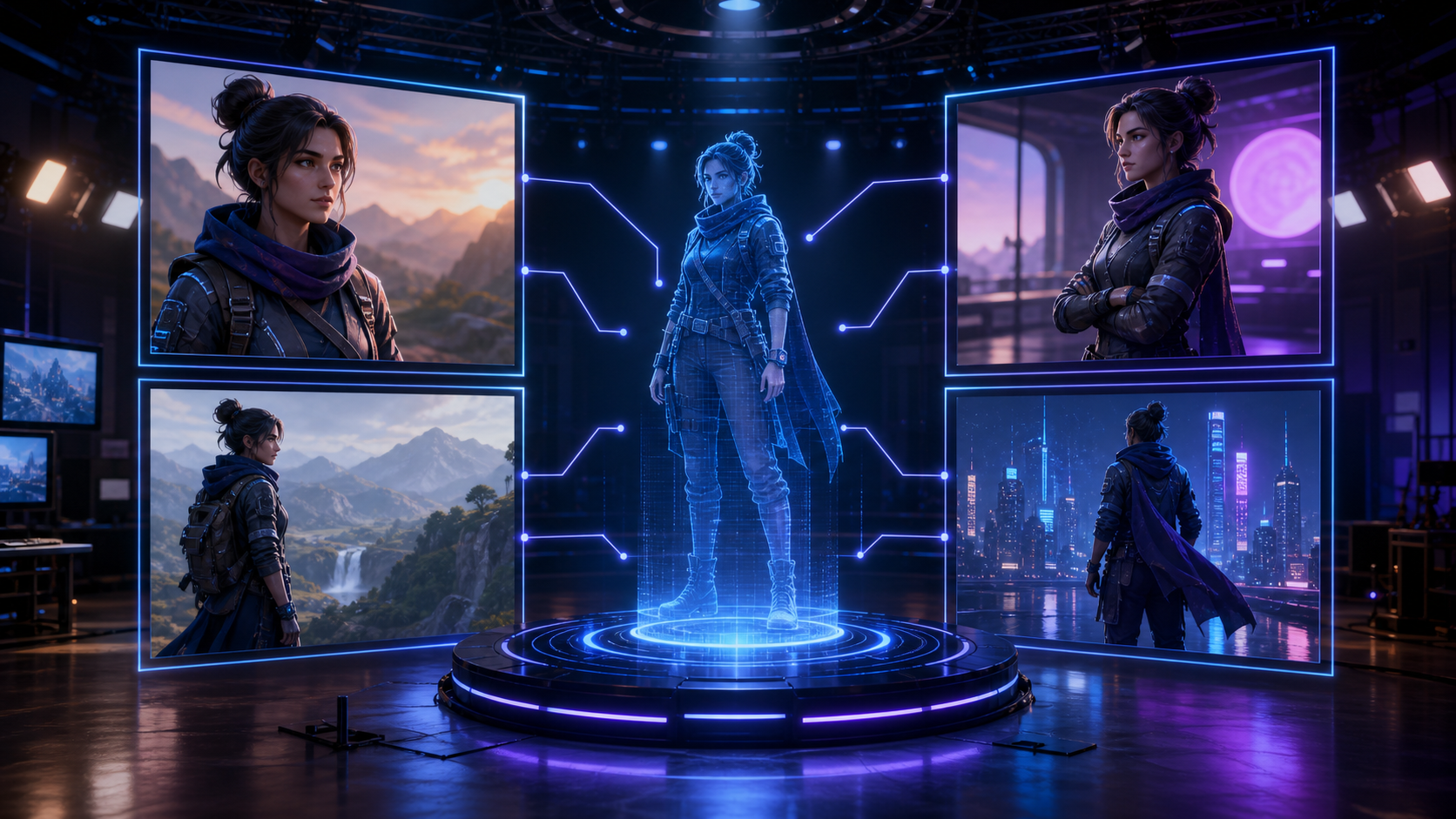
Face swapping allows creators to maintain character consistency across different scenes. Whether you are developing a narrative skit or a personalized character study, this technology provides the precision needed to map features onto new movements. Note: Always ensure that you have obtained proper consent for the use of likenesses and adhere to all ethical guidelines regarding digital identity.
2. Text-to-Video and Image-to-Video
These tools serve as the foundation for visual ideation.
- Text-to-Video: Ideal for storyboarding or rapid prototyping. By providing descriptive prompts—such as lighting, environment, and subject movement—you can generate cinematic sequences that serve as a base for your project.
- Image-to-Video: This feature breathes life into static assets. By animating existing artwork or photography, you can create dynamic transitions or establish a specific visual mood that would be difficult to capture through traditional filming alone.
3. Stylistic Control and Transformation
Using reference images allows for greater aesthetic consistency. By guiding the AI with a specific visual style, you ensure that the output aligns with your project’s artistic direction. Furthermore, Video-to-Video transformation allows you to reimagine existing clips by applying new visual styles or narrative layers, making it an excellent tool for post-production experimentation.

Practical Weekly Workflow
Treating AI-assisted video production as a repeatable system ensures consistent results. Follow these steps to optimize your output:
- Define the Outcome: Clearly identify the format (e.g., social post, narrative scene, or product demo) before starting.
- Prepare Assets: Gather your reference images, scripts, and character designs. Having these ready prevents "prompt fatigue" during the generation phase.
- Iterative Generation: Work in small passes. Generate short clips to test your prompts and visual styles before committing to a full-length sequence.
- Review and Refine: Evaluate each clip for continuity, pacing, and visual clarity. Use VideoAny to iterate on specific segments that require improvement.
- Archive: Save your successful prompts and source assets. Building a library of effective prompts makes future projects significantly faster to execute.

Conclusion
AI-assisted video work is at its strongest when treated as a production system. While the creative vision remains the most important element, the workflow—defined by clear inputs, controlled iteration, and a rigorous review process—is what turns raw generations into finished, professional communication.
FAQs
1) Can this workflow work for a solo creator? Yes. By focusing on one repeatable format and keeping your asset list organized, you can maintain high production standards without needing a large team.
2) Should I generate first or write the edit plan first? Always write a plan first. A simple outline helps you determine whether the AI output actually supports the narrative or visual goals of your final video.
3) What should I check before publishing an AI video? Review for continuity, motion quality, pacing, and aspect ratio. Ensure the video communicates its intended message clearly without requiring external explanation.
4) How does VideoAny fit into this workflow? Use VideoAny for visual generation, face-swapping, and stylistic transformation, then integrate these clips into your broader editing software for final assembly, audio syncing, and captioning.