Categories: AI Video, Model Analysis, Creator Workflow
Tags: sora is dead, openai sora, ai video tools, creator workflow, video generation
Introduction
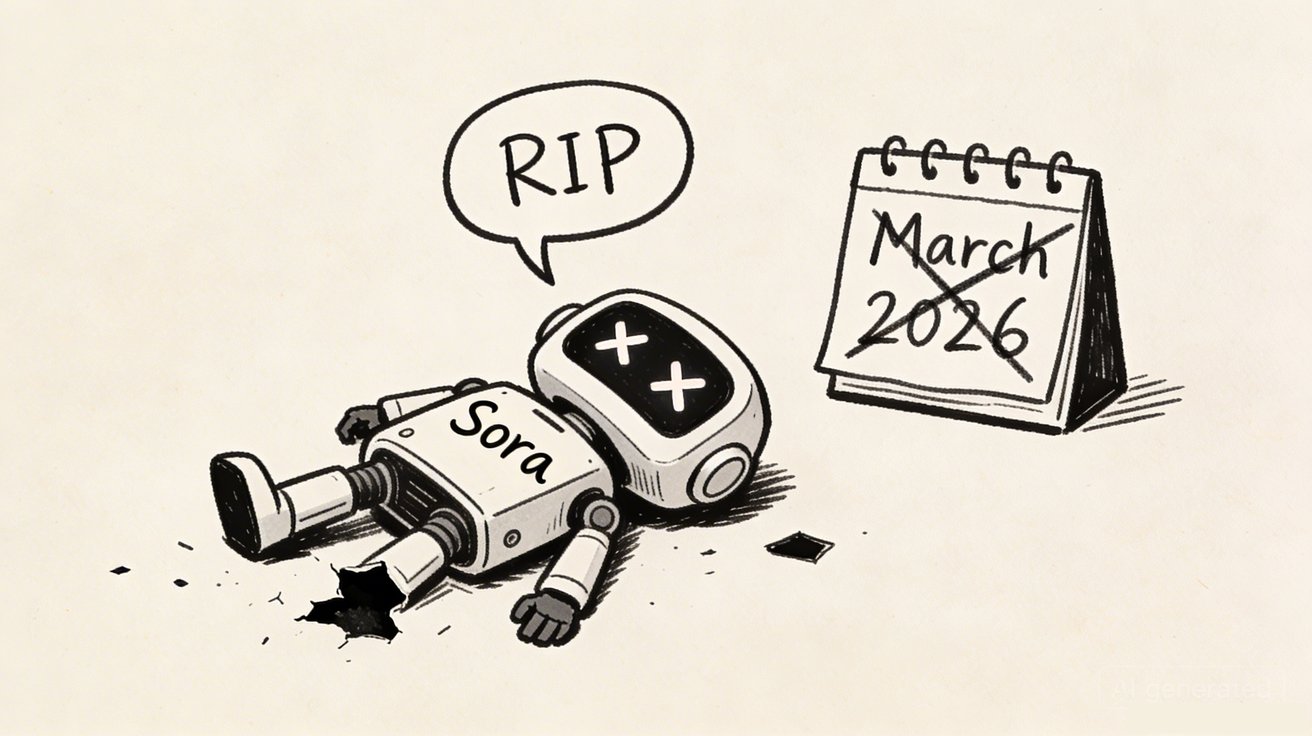
The source article uses a blunt headline: "Sora is dead." Whether you take that literally or as a shorthand for lost momentum, the larger point is easy to understand. In AI video, hype does not guarantee durability. Creators care less about launch-day demos and more about whether a tool stays available, improves steadily, and fits real production work.
That is why this story matters even beyond Sora itself. It is really about how creators should judge AI video tools after the first wave of excitement has passed.
Why the "Sora Is Dead" Framing Resonates
The source article argues that Sora no longer feels like the center of the AI video conversation. The claim is not just about one product disappearing. It is about a shift in the market:
- impressive demos are no longer enough
- creators want tools they can actually use every week
- product continuity matters as much as model quality
- cost and workflow friction matter more once experimentation becomes routine
That framing resonates because many AI tools look strongest at launch and weaker in day-to-day production.
What Creators Should Learn From It
If a flagship AI model can lose momentum quickly, then creators need a more practical checklist for evaluating tools.
Look for:
- Repeatable workflow value: can you use it beyond a one-off test?
- Predictable access: is the product stable enough to build around?
- Clear use case fit: does it help with social clips, ads, concept videos, or something else concrete?
- Iteration speed: can you test multiple variations without too much friction?
The big lesson is simple: utility beats mythology. A tool does not need the most viral launch if it solves real production problems consistently.
What to Use Instead of Chasing One Model
Rather than betting everything on a single headline model, it makes more sense to build around workflows.
For example:
- Text to Video is the direct route when the idea starts as a prompt
- Image to Video is more useful when you already have a key frame or concept image
- Video to Video helps when you want to transform, stylize, or iterate from existing footage
- Video to Audio is useful when the output needs supporting audio work as part of the wider content pipeline
This approach is more durable because it is based on tasks, not just on one brand name.
The Bigger Market Shift
The source article suggests that AI video is moving into a more mature phase. That looks directionally right. The market now rewards tools that:
- integrate into an existing creator workflow
- reduce production bottlenecks
- make iteration easier instead of just showing off raw model capability
- remain useful after the novelty wears off
In that environment, the strongest products are usually the ones that help creators ship work, not the ones that only dominate social media for a week.
Where VideoAny Fits
VideoAny makes the most sense as a workflow layer rather than as a single "replacement" story. If the real problem after Sora is reliability, continuity, and practical utility, then the answer is to choose tools based on the kind of work you need to complete.
Use cases map cleanly:
- start from an idea with Text to Video
- build motion from existing visuals with Image to Video
- iterate on current footage with Video to Video
- support editing and post flow with Video to Audio
That is a more stable strategy than waiting for one model to define the whole category.
Conclusion
The strongest takeaway from "Sora is dead" is not that one model lost momentum. It is that creators now need better standards for choosing AI video tools.
A good workflow should survive shifts in hype cycles. If a tool helps you generate, iterate, and finish actual work, it matters more than whether it owned the conversation six months ago.
FAQs
1) Does "Sora is dead" mean AI video demand is gone?
No. The source article points in the opposite direction: demand is still there, but creators are becoming more selective about which tools deserve their time.
2) What matters more now than launch hype?
Workflow fit, stability, and iteration speed matter more because creators need tools they can keep using, not just admire once.
3) How should I evaluate alternatives?
Start from your task. If you need prompt-based generation, use Text to Video. If you already have source visuals or footage, Image to Video and Video to Video are more practical starting points.