
Categories: AI Video, Tool Comparison, Creator Workflow
Tags: free sora alternative, ai video tools, text to video, image to video, creator workflow
Introduction
The source article is built around a very practical search intent: people looking for a free Sora alternative usually do not want theory. They want a tool they can access now, test quickly, and fold into real creation work.
That makes this topic bigger than any single model. What creators actually need is a usable workflow for turning prompts, images, or existing footage into publishable video without getting blocked by hype, waitlists, or a pricing wall too early.
Why "Free Sora Alternative" Is a Real Need
Searches like this usually come from one of three situations:
- a creator wants to test AI video without making a large commitment
- a team needs to compare tools before standardizing a workflow
- someone liked the idea of Sora-style generation but still needs something available right now
The source article leans into that urgency. Its core message is simple: access matters. A tool only becomes useful when you can actually try it, iterate, and learn what it is good at.
What to Evaluate in a Free Alternative
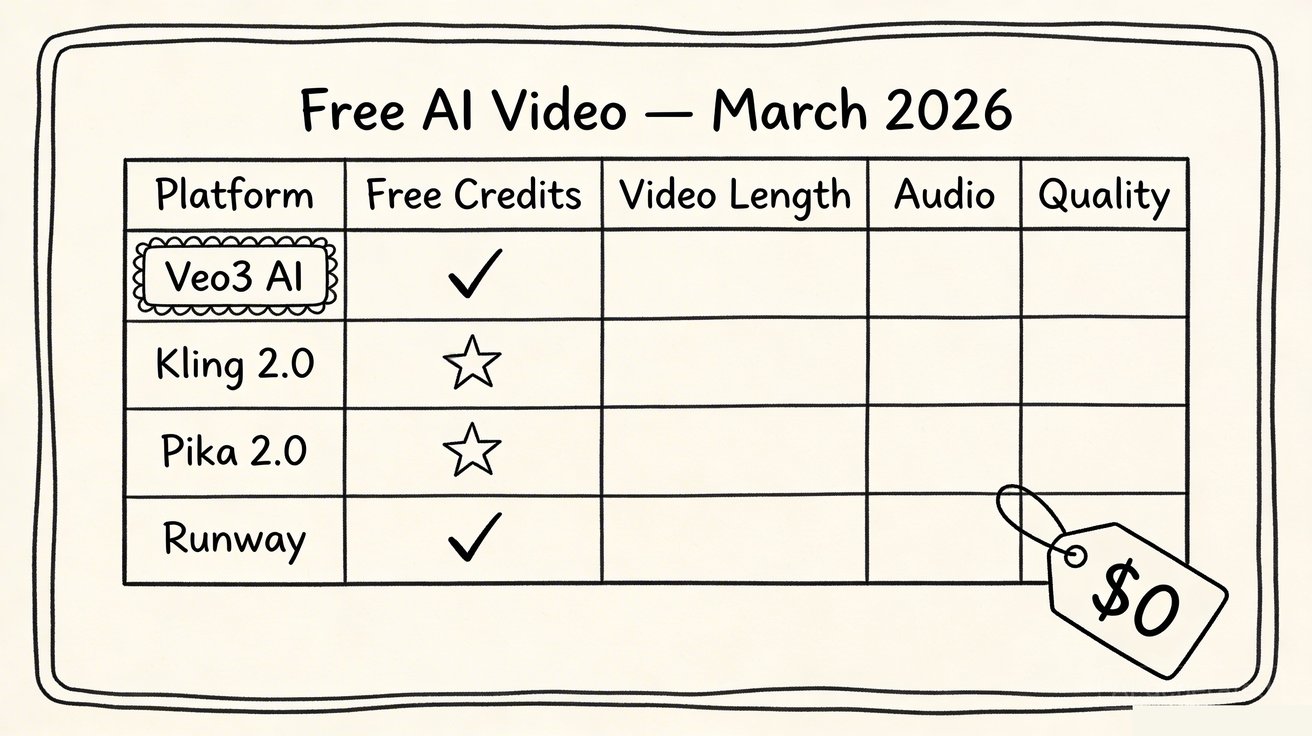
If you are comparing free AI video tools, the most useful lens is not "which launch looked most impressive?" It is "which workflow helps me get from idea to output with the least friction?"
Look for:
- Immediate usability: can you generate something without waiting for special access?
- Prompt iteration speed: can you test multiple directions quickly?
- Visual control: does it support text-to-video, image-to-video, or both?
- Output consistency: are the results stable enough to learn from?
- Upgrade path: if the free tier works, can you keep the same workflow when your needs grow?
This is where a lot of comparisons go wrong. They focus on the model label, but creators usually win by choosing the tool that supports repeatable work.
How to Use Free Access Without Wasting It
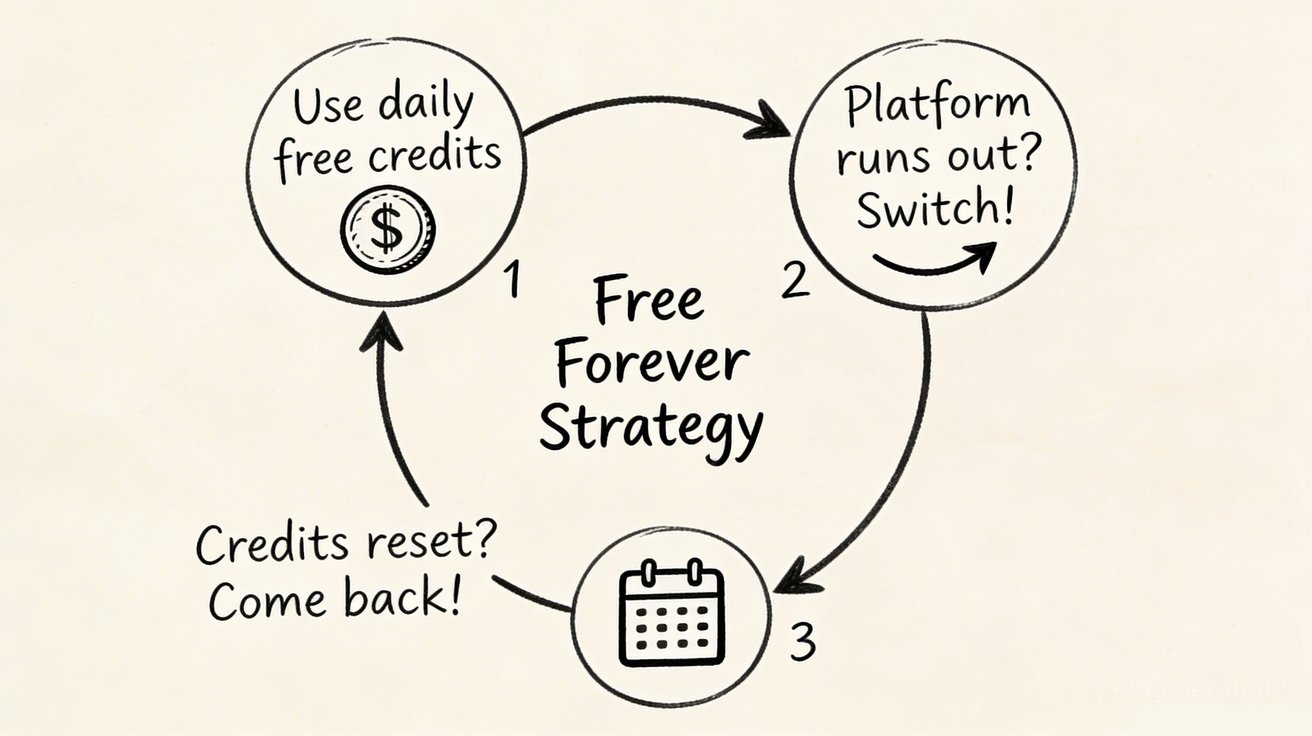
The source article spends a lot of energy on maximizing limited free access. That is the right emphasis. Free generations are most valuable when you treat them as structured experiments instead of random prompt attempts.
A better process looks like this:
- Start with one clear use case, such as a product teaser, short social clip, or concept visual.
- Write a narrow prompt instead of a broad one, so the model has less room to drift.
- If you already have a visual reference, use Image to Video instead of starting from text alone.
- Save the prompt and result each time so you can refine deliberately instead of guessing.
That discipline matters more than chasing whichever product currently has the loudest positioning.
What Free Tools Are Good For
Free AI video tools are strongest at the top of the workflow:
- exploring creative directions
- testing whether an idea works visually
- turning still images into motion drafts
- producing lightweight social concepts
- validating prompts before you invest more time or budget
They are much less reliable when you need high-volume output, strict brand consistency, or a deadline-sensitive production pipeline. That is usually the point where "free" stops being the most important filter.
When Free Stops Being Enough
At some point, the real bottleneck is no longer access. It becomes throughput, consistency, and revision speed.
That shift usually happens when:
- you need multiple deliverables every week
- you are creating for clients or a team review process
- you need stronger control over source visuals or footage
- you want one workflow that can carry an idea from draft to final asset
Once that happens, it makes more sense to choose tools by task rather than by "free tier" headlines.
Where VideoAny Fits
VideoAny is most useful when you think in workflows instead of one-off prompt tests.
- Text to Video fits early ideation when you want to turn a written concept into motion
- Image to Video is the stronger option when you already have a reference frame, product shot, or design mockup
- Video to Video helps when you want to transform or restyle existing footage instead of starting over
- Video to Audio supports the wider post-production pipeline when the output needs audio extraction or downstream editing work
That makes it a practical answer to the underlying problem behind the "free Sora alternative" search: creators need accessible tools they can actually build around, not just admire once.
Conclusion
The best free Sora alternative is not automatically the tool with the biggest claim attached to it. It is the one that helps you test ideas quickly, learn what works, and move into a repeatable workflow when you are ready.
That is the useful takeaway from the source article. Accessibility matters, but workflow matters more.
FAQs
1) What makes a good free Sora alternative?
A good option lets you start quickly, iterate without too much friction, and support the kind of video task you actually need, whether that is text-to-video or image-to-video.
2) Should I optimize for the model name or the workflow?
Workflow is the better filter. A famous model name helps less than a tool you can use consistently.
3) When should I use image-to-video instead of text-to-video?
Use Image to Video when you already have a visual reference and want more predictable motion from that starting point.
4) Are free AI video tools enough for production work?
They are often enough for experiments, lightweight social content, and concept validation. For larger output volume or tighter review requirements, you will usually need a more durable workflow.