Categories: AI Video Workflow, Creator Strategy, Production Process
Tags: videoany, gpt image 2 prompts, viral ai images, social content, creator toolkit
Introduction
This guide organizes 50 GPT Image 2 prompts into practical viral categories: cinematic posters, product and e-commerce images, meme illustrations, realistic portraits, anime and manga styles, plus a multi-shot prompting trick. This version keeps that category logic while focusing on how creators can turn prompt ideas into repeatable publishing assets.
The best viral prompt is not just visually impressive. It has a clear hook, a format that works on a phone screen, and enough specificity that the result does not look like generic AI art.
Cinematic and Movie Poster Prompts
Cinematic prompts work because they combine contrast, scale, lens language, and atmosphere. Instead of asking for "a cool poster," define the subject, camera, lighting, palette, and text placement.
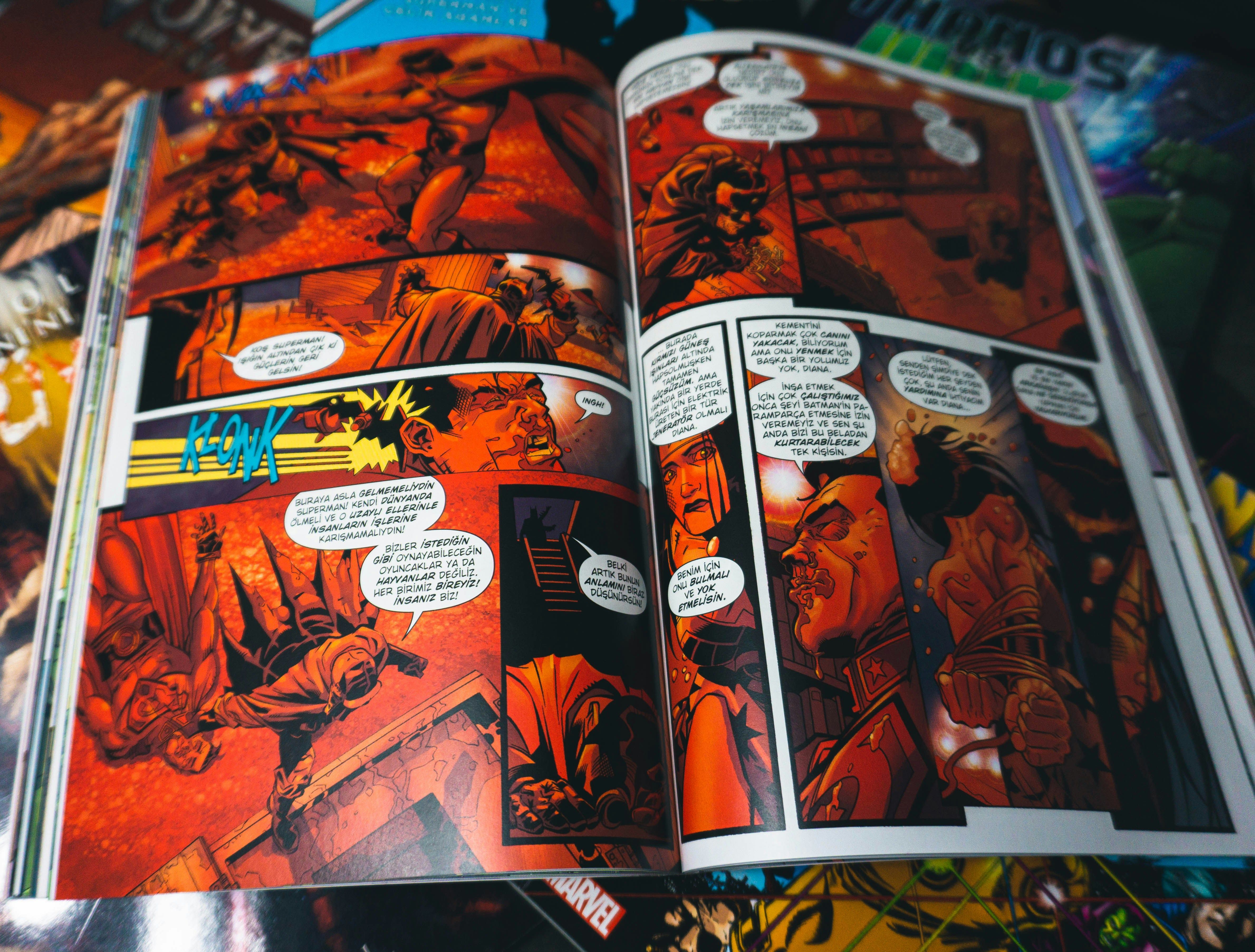
Example pattern:
Cinematic movie poster of [subject], dramatic rim light, volumetric fog, bold title space at top, high-contrast color palette, vertical 2:3 composition, premium film campaign look.Product and E-Commerce Prompts
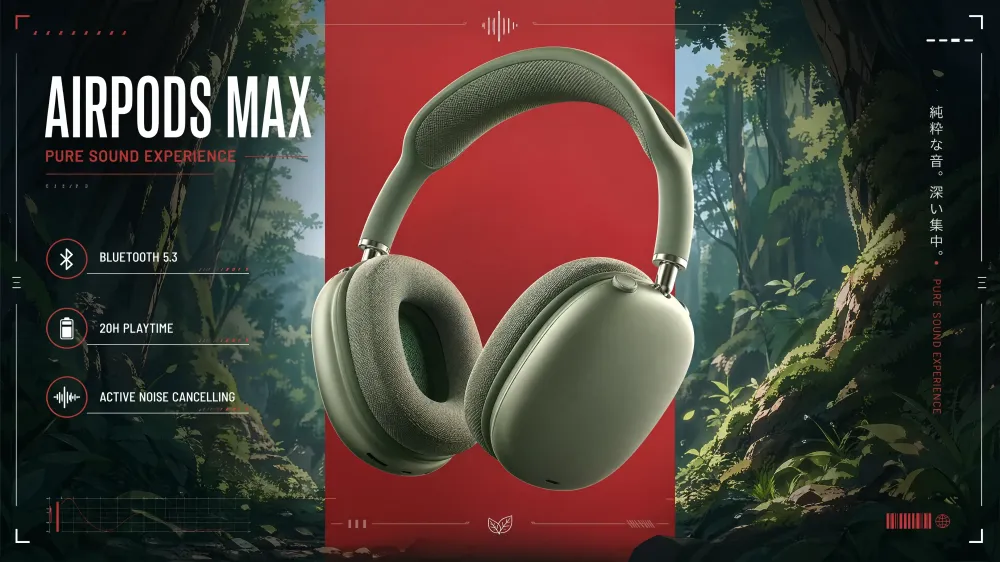
Product prompts need clarity before style. The source notes that GPT Image 2 is useful for text rendering, which matters for packaging, labels, and ad creatives.
Use prompts that specify surface, reflection, background, label readability, and intended use. A good product image should survive cropping into a square ad or 9:16 story.
Meme and Viral Illustration Prompts
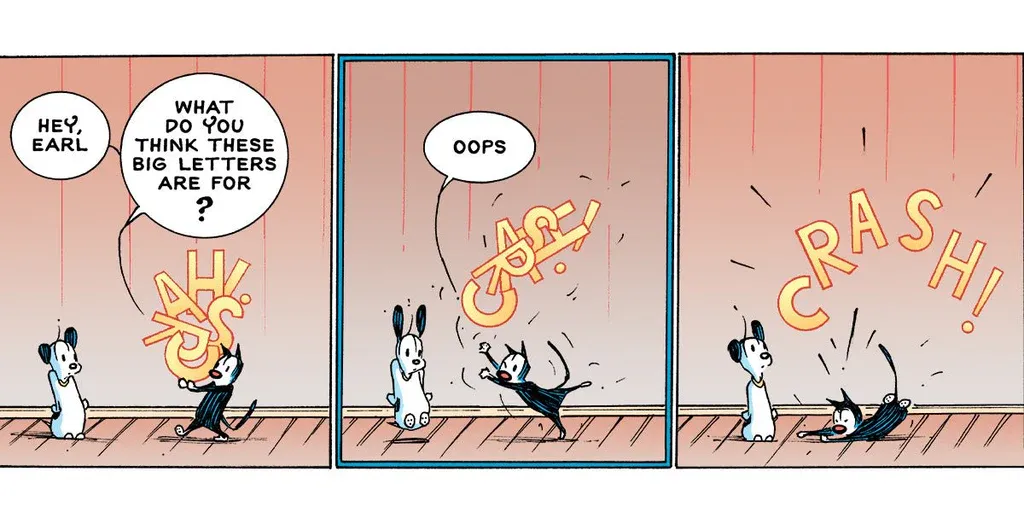
Meme prompts need instant readability. Four-panel grids, exaggerated emotional contrast, simple character shapes, and caption-safe space work better than over-detailed scenes.
Try:
Four-panel viral comic about [relatable problem], same character in every panel, escalating facial expressions, clean white background, bold empty caption space, expressive but simple drawing style.Realistic and Portrait Prompts
For portraits, describe lighting and lens behavior: soft window light, realistic skin texture, eye catchlights, shallow depth of field, natural expression, and wardrobe. Avoid over-smoothing if the result needs to feel human.
Anime and Manga Prompts
Anime prompts should define line work, camera angle, pose, background density, and emotional tone. For recurring characters, include a character sheet or repeatable identity block before changing scenes.
The Multi-Shot Prompting Hack
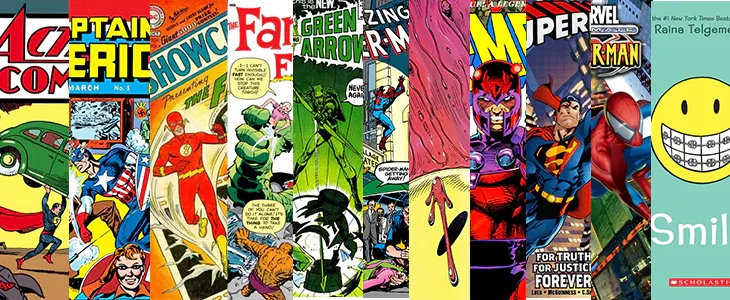
The source highlights multi-shot generation as a differentiator. Instead of creating one image at a time, ask for several related outputs in the same visual system: a product ad set, a character expression sheet, a three-frame meme, or multiple thumbnails for A/B testing.
Practical Workflow
- Choose the channel: TikTok, Shorts, Instagram, product page, ad, or blog hero.
- Pick the prompt category that matches the channel.
- Generate three variants with the same subject.
- Keep the version with the strongest thumbnail hook.
- Use VideoAny to animate the winning image into a short clip.
Conclusion
The 50-prompt idea is useful because it groups creativity by job. Cinematic prompts sell drama, product prompts sell clarity, meme prompts sell emotion, portrait prompts sell realism, and anime prompts sell style. Build your own library the same way, then use VideoAny when the best still deserves motion.
Next Step
Explore VideoAny creator workflows: https://videoany.io
FAQs
1) Should I copy prompts exactly?
Use them as patterns. Replace the subject, format, style, and platform goal.
2) What makes a prompt more viral?
Readable emotion, strong contrast, clear subject, and mobile-friendly composition.
3) How does VideoAny help after image generation?
It turns the strongest still into a moving ad, reveal, reaction, or story beat.